About Temco Rubber
From bottle mold manufacturing to custom rubber, silicone and plastic components, our work connects tooling decisions with the requirements of real industrial parts.
Explore our component categories, selected project examples and how to start a technical manufacturing enquiry.
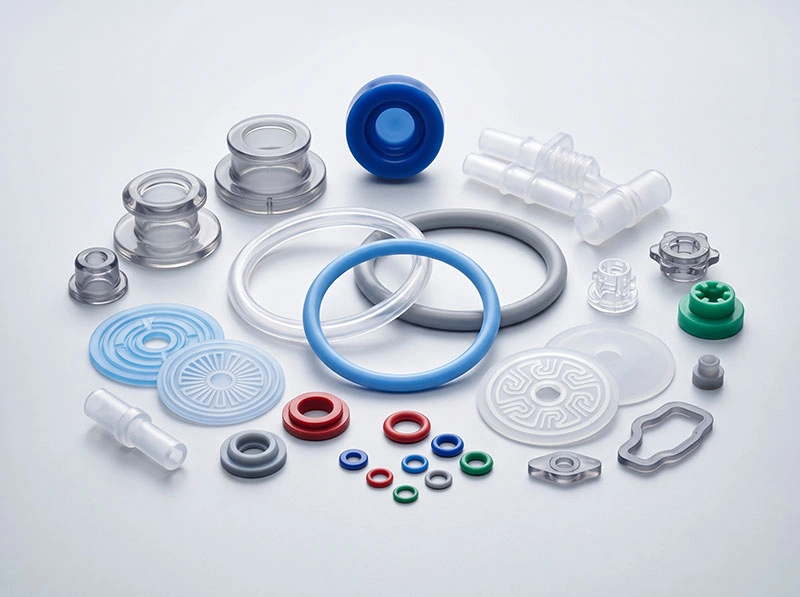
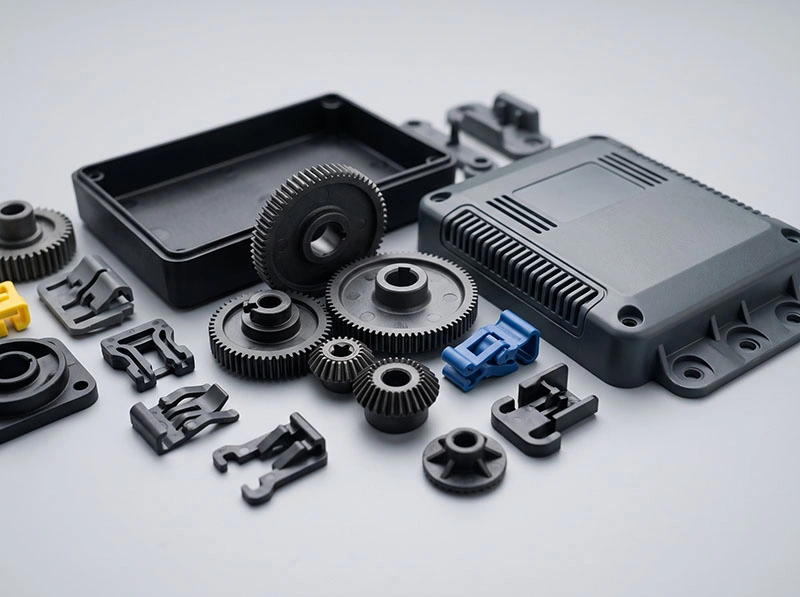
Manufacturing roots. Broader material capabilities.
Temco’s existing company history describes a beginning in PET and polyethylene bottle molds, followed by an expansion into silicone and rubber components and custom products.
Explore mold manufacturing →Bottle and container tooling
PET and polyethylene mold manufacturing formed part of the company’s early activities.
Silicone and rubber components
The business expanded its focus toward elastomer products, molding and custom part requirements.
Custom part categories
Today the site presents rubber, silicone, silicone keypad and plastic component manufacturing alongside mold tooling.
Explore our component specialties
Choose the material and product family closest to your application. Every card opens its dedicated technical service page.
Rubber Parts
Explore molded rubber seals, grommets, bumpers and application-specific components.
Explore service ↗02Flexible componentsSilicone Parts
Explore silicone gaskets, diaphragms and custom parts for varied operating conditions.
Explore service ↗03Human–machine interfacesSilicone Keypads
Explore molded keypad designs, conductive contacts and printing or lighting options.
Explore service ↗04Engineered polymersPlastic Parts
Explore injection-molded plastic components, material choices and tooling considerations.
Explore service ↗
Start with the drawing. Validate the requirements.
A useful manufacturing conversation connects part geometry, material selection, tooling, sample acceptance and expected production volume. The appropriate process depends on the part—not on a universal claim of precision or capability.
Review the application — fit, function, environment, drawing revision and target material.
Discuss tooling and process — injection, compression or other options where relevant.
Agree sample criteria — dimensions, appearance, performance and inspection requirements.
Selected component projects
Examples from the existing Temco portfolio. They illustrate product categories rather than guaranteeing a material grade, certification or tolerance for a new order.
Requirements before promises.
For industrial buyers, the useful evidence is specific: a defined part revision, material grade, applicable test requirements and an agreed inspection plan.
For food-contact, medical or other regulated applications, material suitability and documentation need review for the particular compound and intended use. A general company description is not a substitute for project-specific evidence.
Questions from international buyers
What information should we provide for an initial quotation?+
Share a part drawing or sample, intended material, projected quantity, critical dimensions and any functional, inspection or regulatory requirements.
Can we discuss tooling and component production together?+
Yes. The site covers both mold manufacturing and rubber, silicone and plastic components. The required tooling scope should be assessed for the specific part and material.
How do you determine the right material?+
Start from temperature, environment, mechanical loads, compatibility, geometry and applicable standards. The final grade and any documentation should be confirmed during project review.
Can we review an existing product or sample?+
A drawing, CAD model or sample can help start a feasibility discussion. Reproduction, tolerances and tooling options depend on the geometry and supplied specifications.
Have a custom component in mind?
Send us your drawing or sample, the intended application and approximate production requirements. A technical discussion is the right starting point.
Request a Manufacturing Quote →