
Custom Parts Manufacturing Services
Explore custom rubber, silicone, silicone keypad and plastic component manufacturing for industrial applications. Choose your material family, review published parts and share a drawing or sample for a project-specific manufacturing discussion.
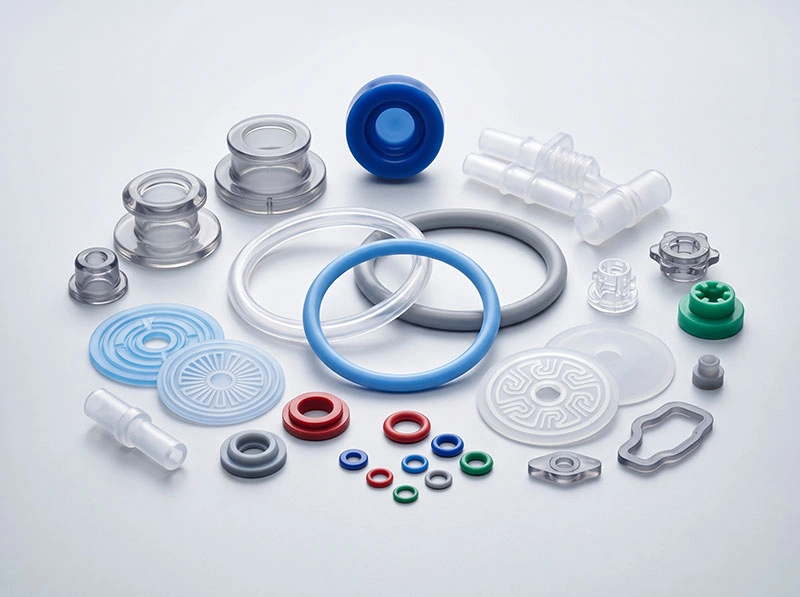
Explore Our Custom Component Specialties
Start with a product category to review materials, part styles and production methods in more detail.
Silicone Keypads
Explore molded silicone keypads, contact designs and optional printing or backlighting features.
Plastic Parts
Explore custom plastic components and the tooling, grade and geometry considerations involved.
Rubber Parts
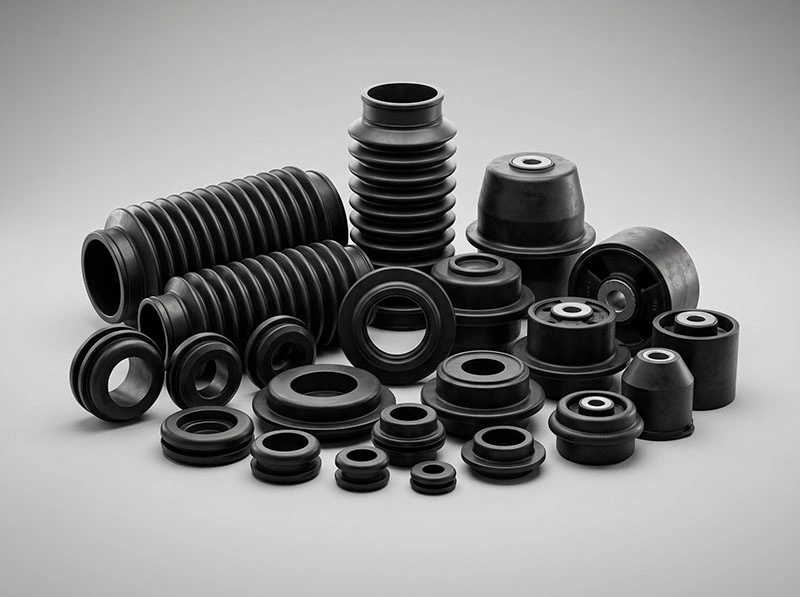
Explore molded rubber parts, including bumpers, seals, grommets and vibration-control components.
Silicone Parts
Explore silicone sealing parts, diaphragms, gaskets and material or molding options.
Parts from the Temco Portfolio
Browse finished-component projects already published on the website. The design and material requirements of a new order are assessed separately.
Published keypad project
View component →Published sealing part
View component →Published molded rubber part
View component →Published plastic part
View component →Choose the Right Part & Material Route
These are useful starting points for discussing custom parts—not universal claims of suitability.
Part Function
Identify sealing, cushioning, grip, wear, structure or user-interface needs.
Service Conditions
Consider operating temperature, compression, chemicals and outdoor exposure.
Geometry & Tolerances
Flag critical fits, wall thickness, draft, parting lines and surface requirements.
Compliance & Volume
Clarify production quantity and any required grade-specific documentation or tests.
Engineered Quality and Technical Precision
Material selection, tooling and part acceptance should be reviewed against your intended application, drawing and production needs.
Material Formulation & Regulatory Compliance
Material and compound selection should account for heat, weathering, wear, chemical contact and any applicable regulations. For regulated applications, request grade-specific documentation and testing.
- Medical-use material claims require project-specific grade documentation and validation
- Food-contact applications require review against applicable regulations for the selected compound
- Operating temperature limits depend on the selected formulation and exposure conditions
- Extensive elastomer selection: Liquid Silicone (LSR), High-Consistency Rubber (HCR), EPDM, FKM (Viton), and NBR
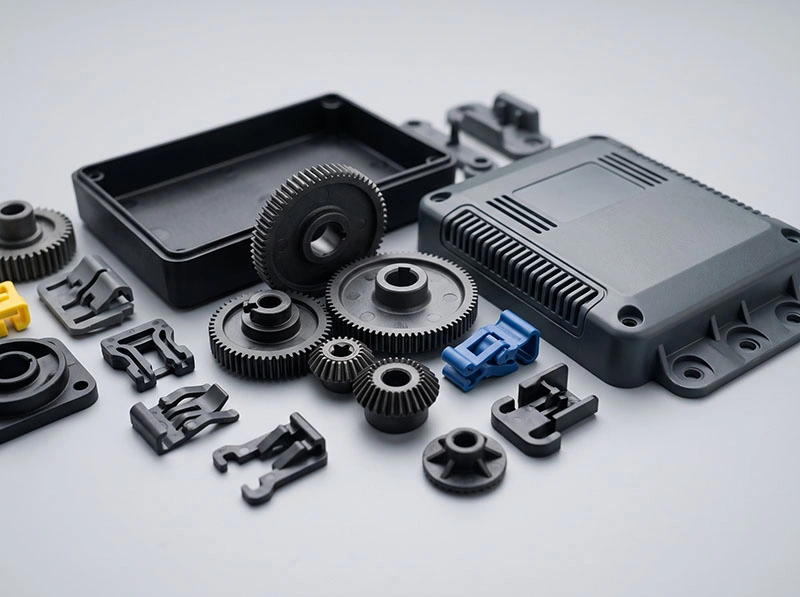
CAD/FEA Engineering & In-House Toolmaking
Mold design influences fit, flash, dimensional stability and release. Review the required tooling route, cavity arrangement, parting lines and sample inspection criteria before production.
- Agree critical dimensions and applicable tolerances with the drawing and material
- Shrinkage, material flow and molding constraints evaluated where appropriate
- Complex geometries, keypads and multi-material concepts assessed for feasibility
- Prototype and production options reviewed against expected quantities and scope
A Typical Six-Step Component Project
A practical overview for buyers preparing a custom manufacturing request. Specific steps may vary by material and product.
Drawing Review
Share a CAD file, 2D drawing or sample; identify critical-to-function features.
Material & Process
Review the rubber, silicone, keypad or plastic route and any open specifications.
DFM & Tooling
Discuss cavity strategy, parting line, demolding and inspection expectations.
Samples & Trials
Evaluate initial parts against the agreed drawing and performance criteria.
Approval
Confirm dimensions, appearance, function and documented adjustments.
Production Planning
Agree batch quantity, packaging, repeat orders and delivery requirements.
Frequently Asked Questions
Find technical insights regarding custom parts manufacturing, elastomer specifications, and in-house tooling.
What do you need to quote a custom rubber, silicone or plastic part?
Which manufacturing process is best for my part?
Can you help with a material grade selection?
Can rubber or silicone be bonded to metal or plastic?
How do you agree part tolerances and quality checks?
Are prototype and production quantities both possible?
Send Your Manufacturing Requirements
Help the engineering team review your part, material and production needs. You can note unknowns for follow-up.
Request a Parts Quote