
Custom Rubber Parts Manufacturer
Seals, bumpers, bellows and protective rubber components developed from your drawing or physical sample. Review materials, tooling and production requirements with Temco Rubber.
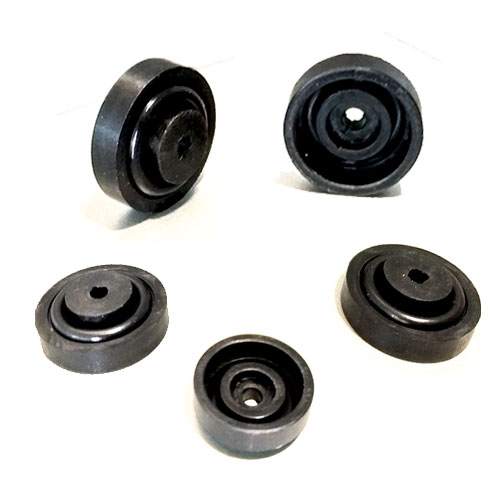
Custom Rubber Component Examples
Explore familiar component forms and select a card to discuss a similar part, drawing or production requirement.


Rubber Materials & Key Properties
Custom rubber components are widely used in industrial equipment and machinery where sealing, vibration control, flexibility, insulation, cushioning, or protection is required. Material selection is based on the operating environment, hardness, temperature, fluid exposure, and mechanical requirements of the part.
High Flexibility
Rubber compounds can be selected for flexibility and recovery under repeated deformation.
Tear Resistance
Compound selection can consider tear and tensile performance according to the application.
Abrasion Resistance
Abrasion resistance can be specified for components exposed to rubbing, sliding, or repeated mechanical contact.
Chemical Resistance
NBR, EPDM, FKM, and other elastomers can be evaluated according to exposure to oils, fuels, ozone, weathering, or chemicals.
Leak-Prevention
Part geometry and material can be developed for static or dynamic sealing where leak control is a functional requirement.
Electrical Insulation
Selected elastomer compounds can be used where electrical insulation is required by the application.

Elastomer Molding Methods
Temco Rubber uses different rubber molding methods depending on the part geometry, material, dimensions, production volume, and application requirements.
Compression Molding
Compression molding is a widely used, traditional method for manufacturing custom rubber parts. In this process, a measured amount of rubber compound (pre-form) is placed into a heated mold cavity and compressed under controlled pressure and temperature. It is highly suitable for simple or medium-complex geometries where tool-making cost must be optimized.
- Tooling can be economical for some lower- and mid-volume programs
- Larger sections may be possible when the tooling and press suit the part
- Dimensions depend on compound selection, geometry and process control

Injection Molding
Rubber injection molding is a modern process where compound material is heated, plasticized, and injected into a closed mold cavity under controlled pressure. The process allows efficient, repeatable production of rubber components with complex geometries and consistent dimensions. It is particularly suitable for higher production volumes where cycle time is critical.
- Repeatable production cycles can support demanding volumes
- Detailed geometries require careful gating, draft and tooling review
- Suitable process design can reduce finishing needs on some parts
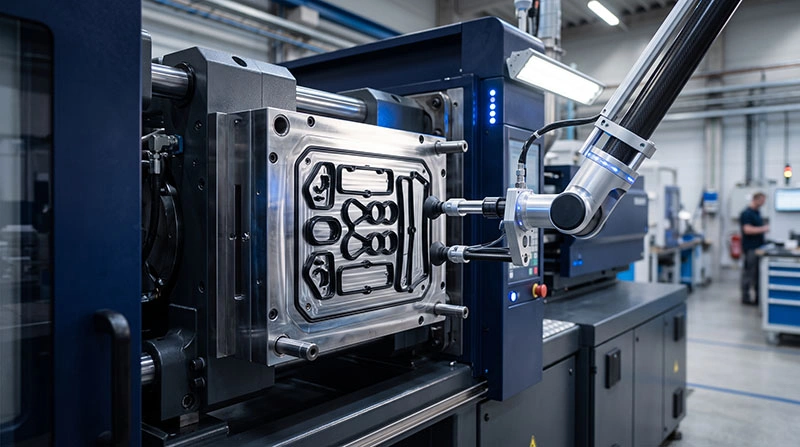
Transfer Molding
Transfer molding combines elements of both compression and injection molding. A measured compound is placed in a transfer chamber (pot) and forced into closed cavities under hydraulic pressure. This method is exceptionally useful for manufacturing components with complex shapes, metal inserts, or detailed features where air traps must be avoided.
- Prevents the displacement of metal inserts or delicate internal cores
- May offer detailed features depending on the tool and compound
- Tooling cost depends on cavity layout, inserts and expected volumes
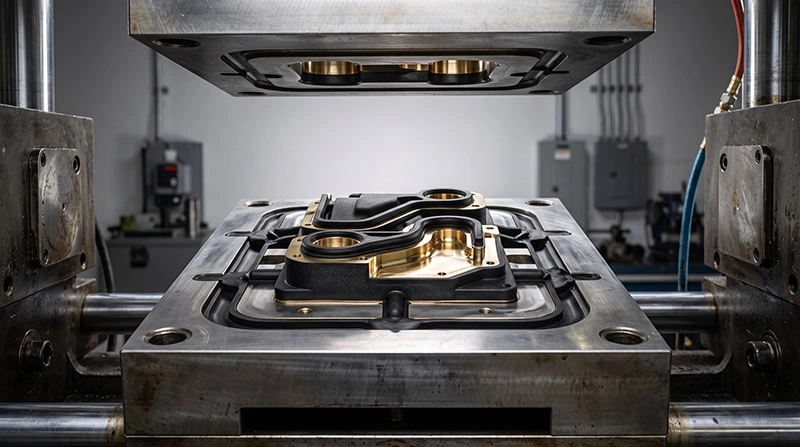
Our Rubber Parts Manufacturing Process
A typical project moves from technical review and material selection through tooling, sampling, production, finishing, and inspection.
Technical Review
We review the customer’s drawings, samples, dimensions, material requirements, tolerances, and application conditions.
Material Selection
The appropriate rubber compound is selected according to hardness, temperature, chemicals, flexibility, and operating conditions.
Mold Design & Tooling
Based on part specifications, the mold is designed and machined to target the required geometry, dimensions, and production method.
Prototype Production
When required, prototype parts are produced to evaluate the design, dimensions, and mechanical performance before full runs.
Parts Production
After approval, rubber parts are manufactured using the selected molding process and defined production parameters.
Finishing & QA
Components are deflashed and can be inspected for agreed dimensional and surface requirements before packaging.
Explore Our Custom Component Specialties
Our component programs can cover multiple polymer classes, with material and process selection matched to the application requirements.
Silicone Keypads
Custom silicone rubber keypads with conductive contacts, legends, backlighting options, coatings, and application-specific tactile requirements.
Plastic Parts
Precision-molded plastic enclosures, clips, structural gears, and multi-component parts engineered from high-performance polymers.
Rubber Mold Tooling
Review mold design, cavity layout, tooling and prototype requirements for a custom rubber component.
Silicone Parts
Custom silicone components manufactured by HCR compression or LSR injection molding according to part geometry, material, and production requirements.
Selected Custom Rubber Part Examples
Published Temco Rubber portfolio examples showing different molded rubber component formats and OEM applications.
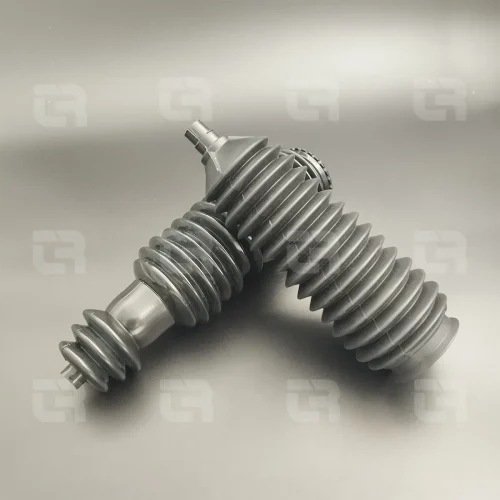
Automotive Dust Boots
A published example of molded rubber protective boots for automotive applications.
View project →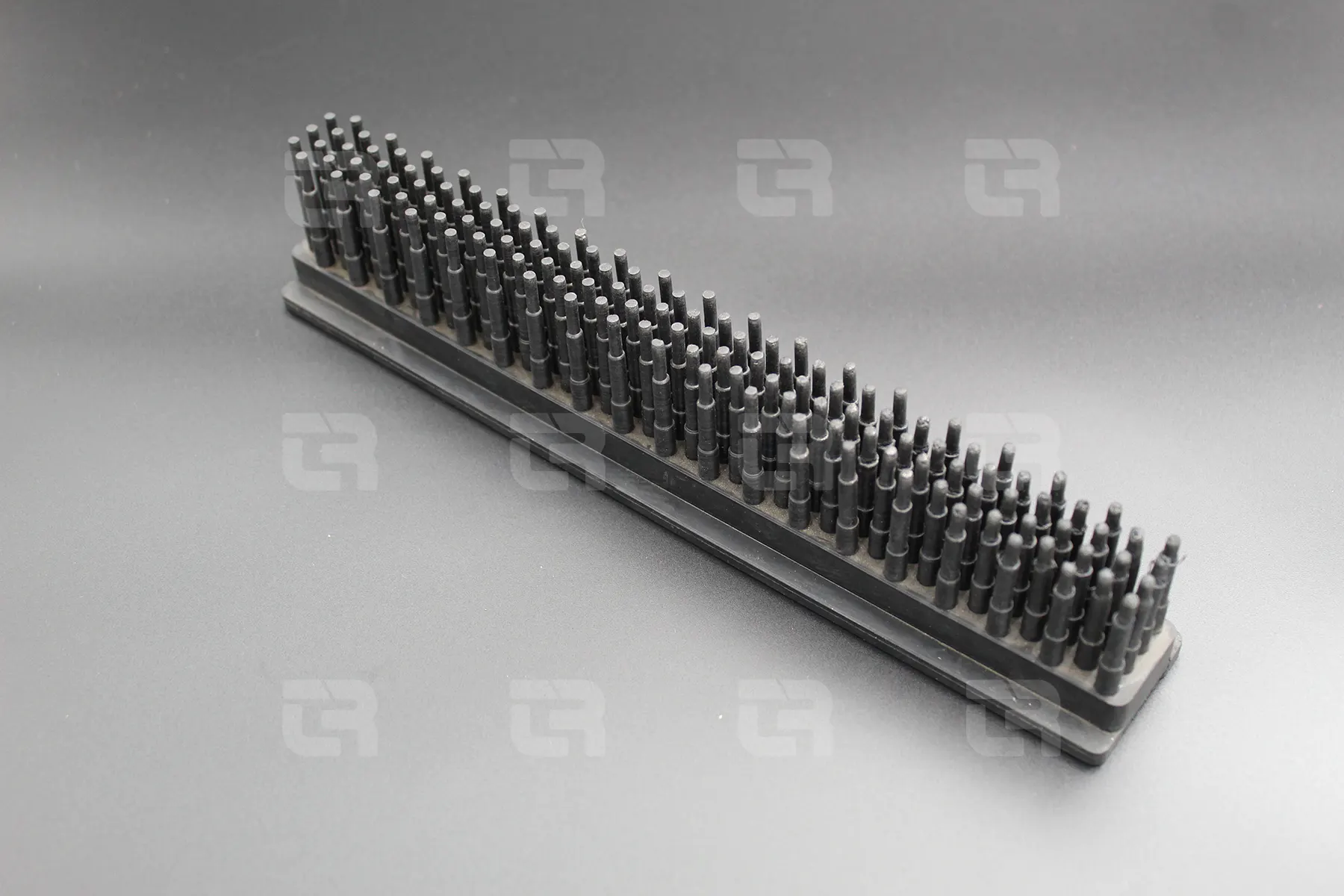
Car Rubber Bumper
A molded rubber bumper example for cushioning and mechanical protection.
View project →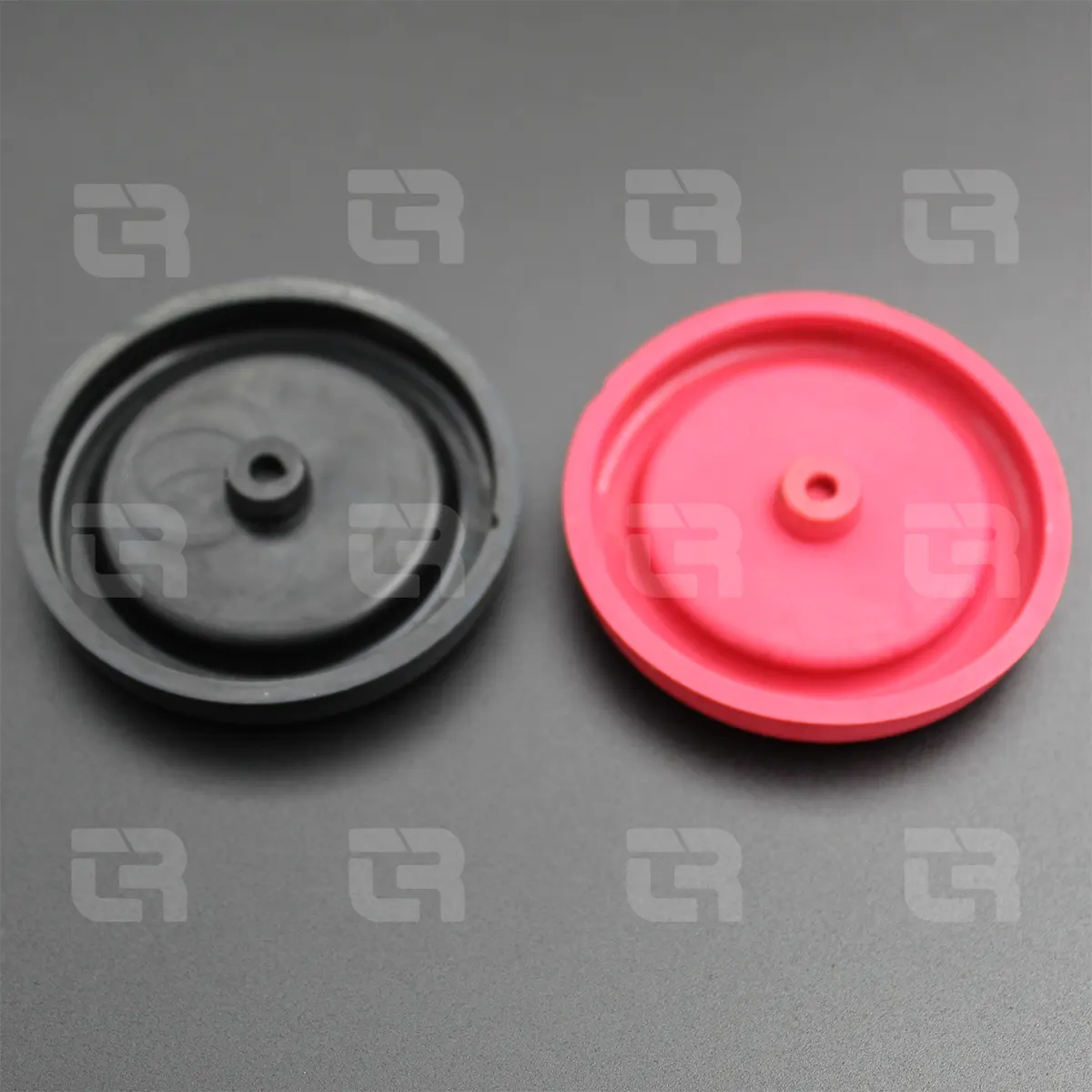
Rubber Cap
A published molded rubber cap example from our component portfolio.
View project →Frequently Asked Questions
Practical answers for sourcing custom molded rubber parts.