
Plastic Injection Mold Manufacturing
Explore plastic injection mold tooling for industrial components, housings and engineered plastic parts. Send your part drawing, resin grade and production goals for a project-specific tooling review.
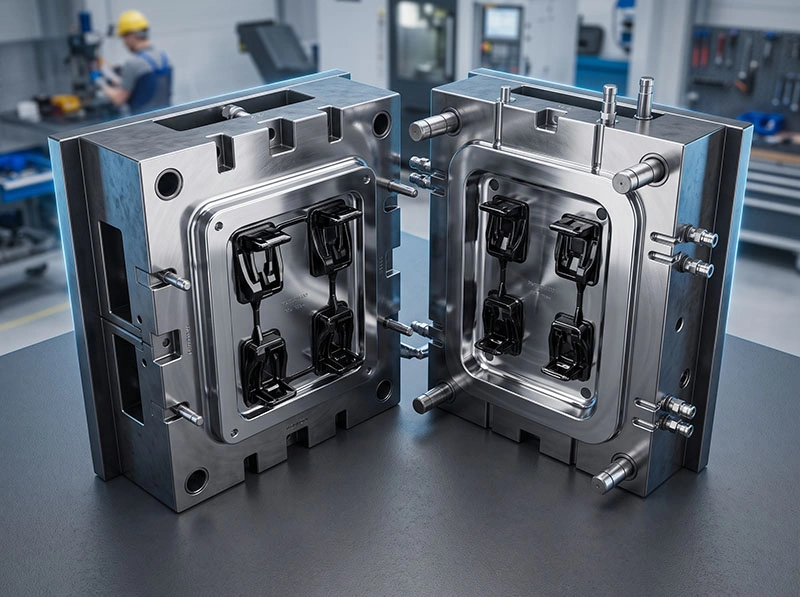
Plastic Mold Projects
Explore tooling projects published in the Temco portfolio. Review your own drawing and production objectives separately.
High-Precision Injection Tooling Technologies
From prototype concepts to multi-cavity tools, geometry, resin choice, volume and inspection requirements inform the tooling strategy.
Multi-Cavity High-Efficiency Production Molds
Multi-cavity molds can improve production efficiency. Cavity count, runner design, cooling and gating need to be reviewed for the part, resin, machine and production objectives.
- Cavity count selected for part geometry, volume and molding equipment
- Runner system selected with consideration for resin and material use
- Cooling concept evaluated for balanced temperatures and cycle time
- Ideal for electronic housings, plastic enclosures, gears, and structural clips
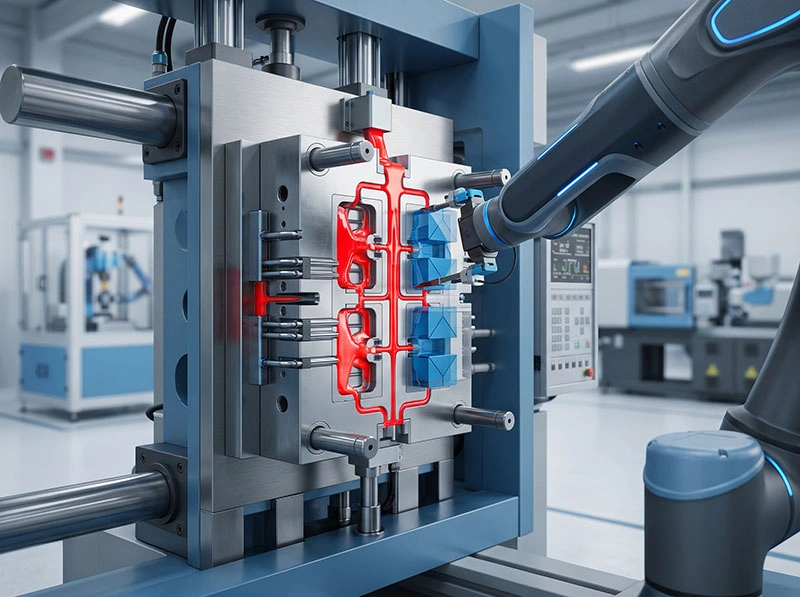
Custom Insert & Overmolding Plastic Tooling
Insert molding and overmolding require careful consideration of shut-offs, inserts, undercuts and release. Slide and lifter details can be assessed against the part drawing to manage alignment and flash.
- Precision slider and lifter mechanisms for complex internal undercuts
- Shut-off and flash-control features around inserts and pins
- Compatible with engineering polymers including PA66, PC, POM, and ABS
- May reduce secondary assembly when supported by part design
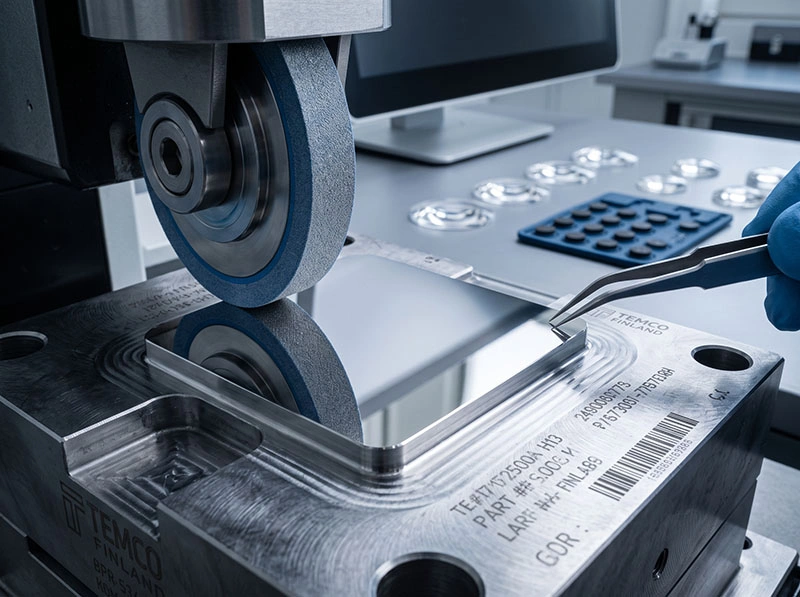
Hardened Tool Steels & Polymer Compatibility
Tool steel and cavity dimensions must account for production requirements and material behavior.
Premium Tool Steels
Tool steels such as P20 or H13 can be considered based on expected tool life, geometry and resin.
Material Shrinkage Planning
Cavity dimensions reviewed using grade-specific resin data and trial-part measurements.
Mirror Cavity Polishing
Polishing, textures and optional surface treatments selected for part appearance and release requirements.
Conformal Cooling Channels
Cooling-channel layout developed to manage mold temperatures and reduce distortion risk.
Key Decisions Before Toolmaking
Useful considerations for engineers and procurement teams preparing a plastic injection mold project.
Draft & Undercuts
Review release angles, sliders, lifters and complex threaded features.
Material & Wall Thickness
Consider resin shrinkage, sink, fit and warpage-related factors.
Gate & Cooling Layout
Review injection entry, runner options and balanced cooling.
Inspection Requirements
Define critical dimensions, cosmetic surfaces and trial acceptance.
Our 6-Step Injection Mold Manufacturing Lifecycle
A practical sequence from design review to tool trials, sample inspection and release criteria.
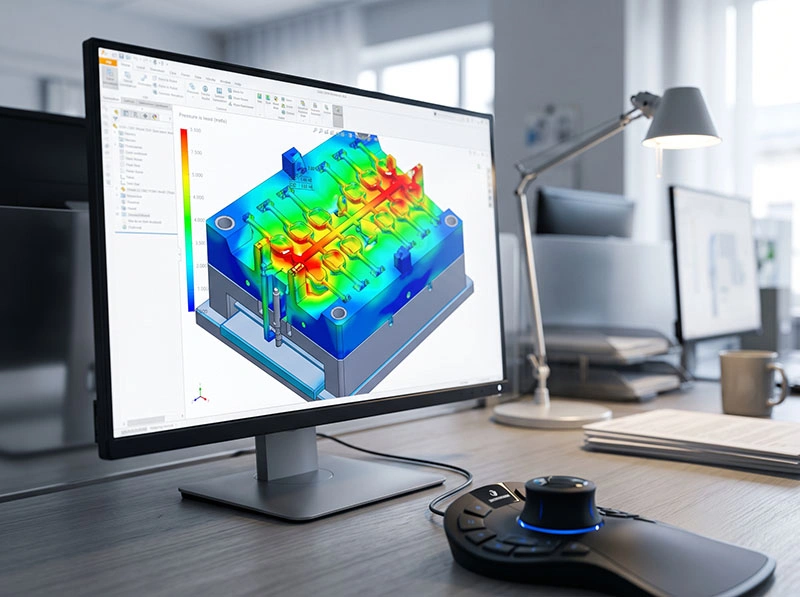
DFM & Moldflow Analysis
Evaluating draft angles, wall uniformity, gate placement, and plastic flow behavior in CAD.
Steel Preparation & CNC
High-speed 5-axis CNC cavity milling, plate squaring, and cooling line drilling.
EDM Spark Erosion
Wire EDM and sinker erosion for sharp internal corners, ribs, and fine textured surfaces.
Assembly & Press Trial
Precision fitting of core/cavity plates, ejector pins, hot runners, and T1 trial injection runs.
Sample Evaluation
Compare trial parts with agreed dimensions, appearance and functional criteria, then identify corrections.
Tooling Approval
Review updated trial results and confirm agreed acceptance requirements before production release.
Frequently Asked Questions
Technical information regarding plastic injection mold design, tool steel selection, and lead times.
What do you need to quote a plastic injection mold?
How is resin shrinkage handled?
When should a hot-runner mold be considered?
What is checked during DFM?
How are samples approved before production?
Get Your Tooling Requirements Ready
Share the information available and discuss missing details during a technical review.
Request a Tooling Quote