
Custom Silicone Parts Manufacturing & Tooling
Temco Rubber is a custom silicone parts manufacturer specializing in precision silicone molded parts for OEM and industrial applications. From prototypes to mass production, we manufacture custom silicone parts using HCR compression molding and LSR injection molding, supported by in-house tooling based on your drawings, samples, and performance requirements.
Request a Custom Quote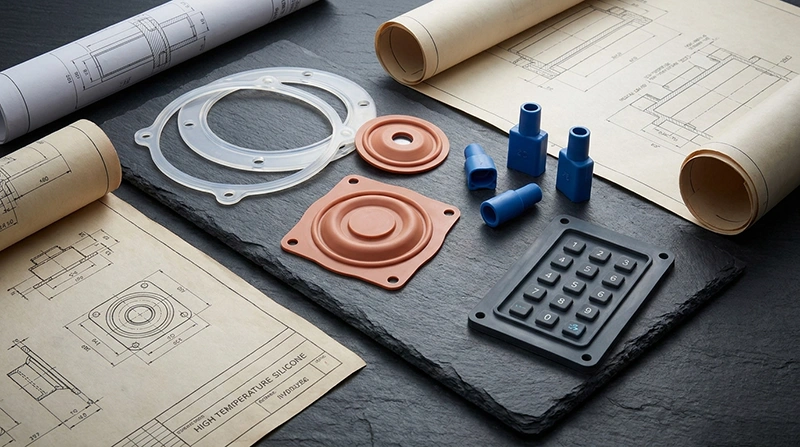
Custom Silicone Parts Manufacturing Services
Temco Rubber manufactures custom silicone molded parts for OEM applications, from prototype development through repeat production. We work from 2D/3D drawings, physical samples, and performance requirements to select the appropriate silicone grade and molding process, including HCR compression molding and LSR injection molding. Our in-house tooling workflow helps shorten development cycles and maintain consistent part quality across production batches.
 01
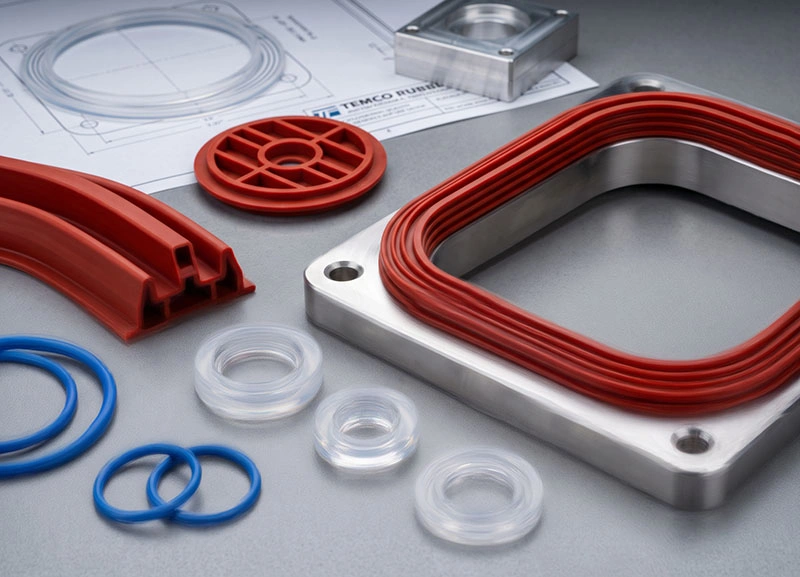
Custom Silicone Gaskets
Custom molded silicone gaskets and sealing components developed for OEM assemblies, with geometry, material hardness and dimensions specified around the application requirements.
Explore Silicone Gaskets →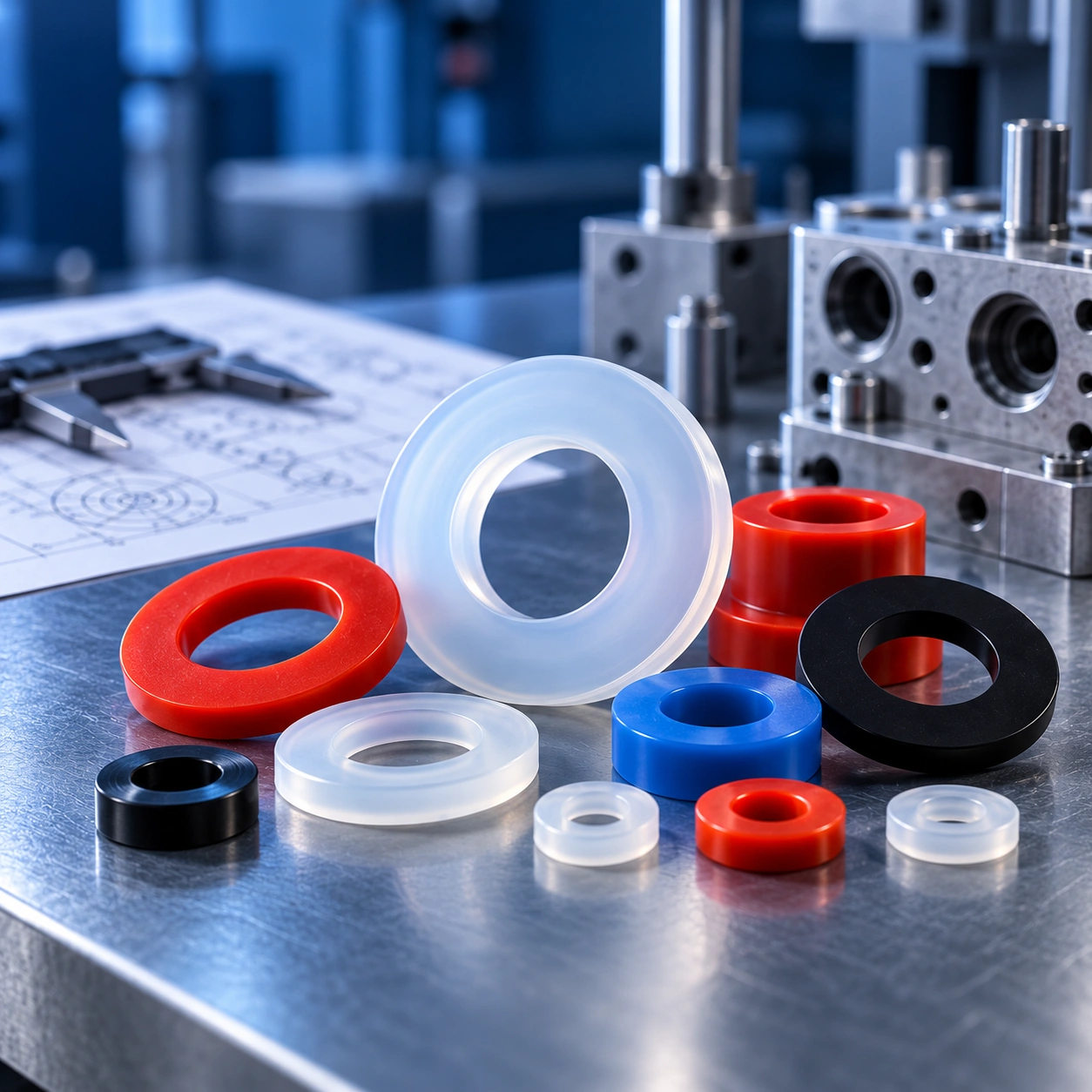 02
Custom Silicone Washers
Custom molded silicone washers manufactured in application-specific diameters, thicknesses, profiles, hardness levels and silicone grades for OEM sealing and spacing requirements.
Explore Silicone Washers →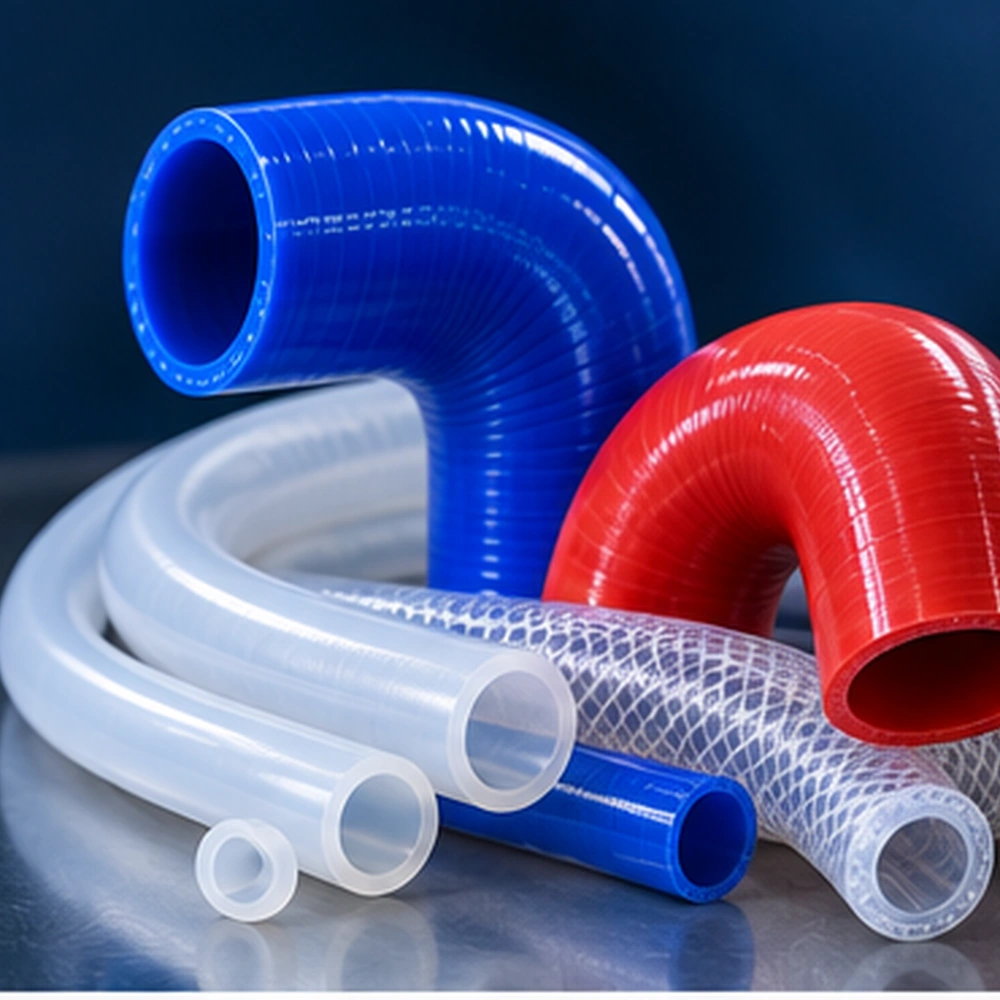 03
Silicone Hose & Tubing
Extruded, reinforced and custom molded silicone hoses and tubing for industrial, OEM and application-specific fluid-transfer assemblies.
Explore Silicone Hose & Tubing →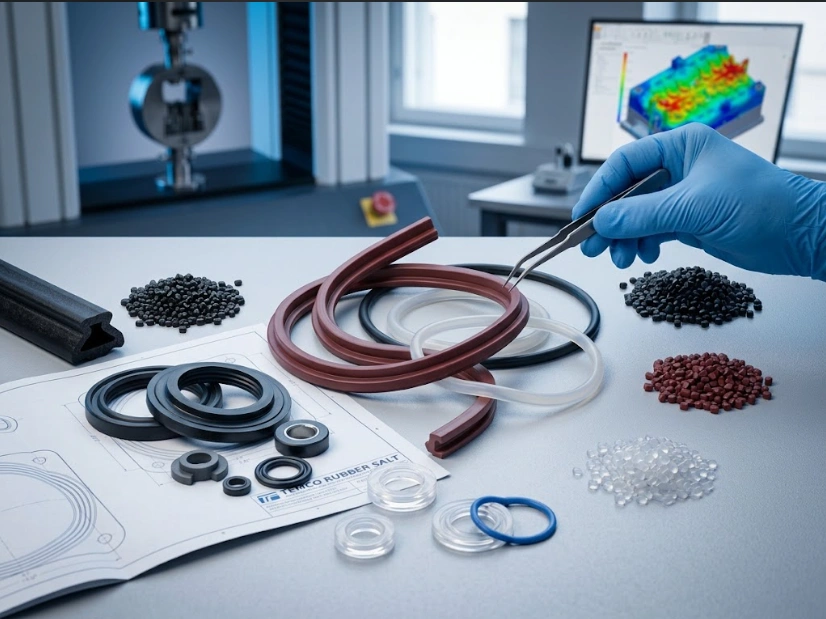 04
Custom Silicone Seals
Precision molded silicone seals and custom sealing profiles developed around geometry, hardness, environment and OEM assembly requirements.
Explore Silicone Seals →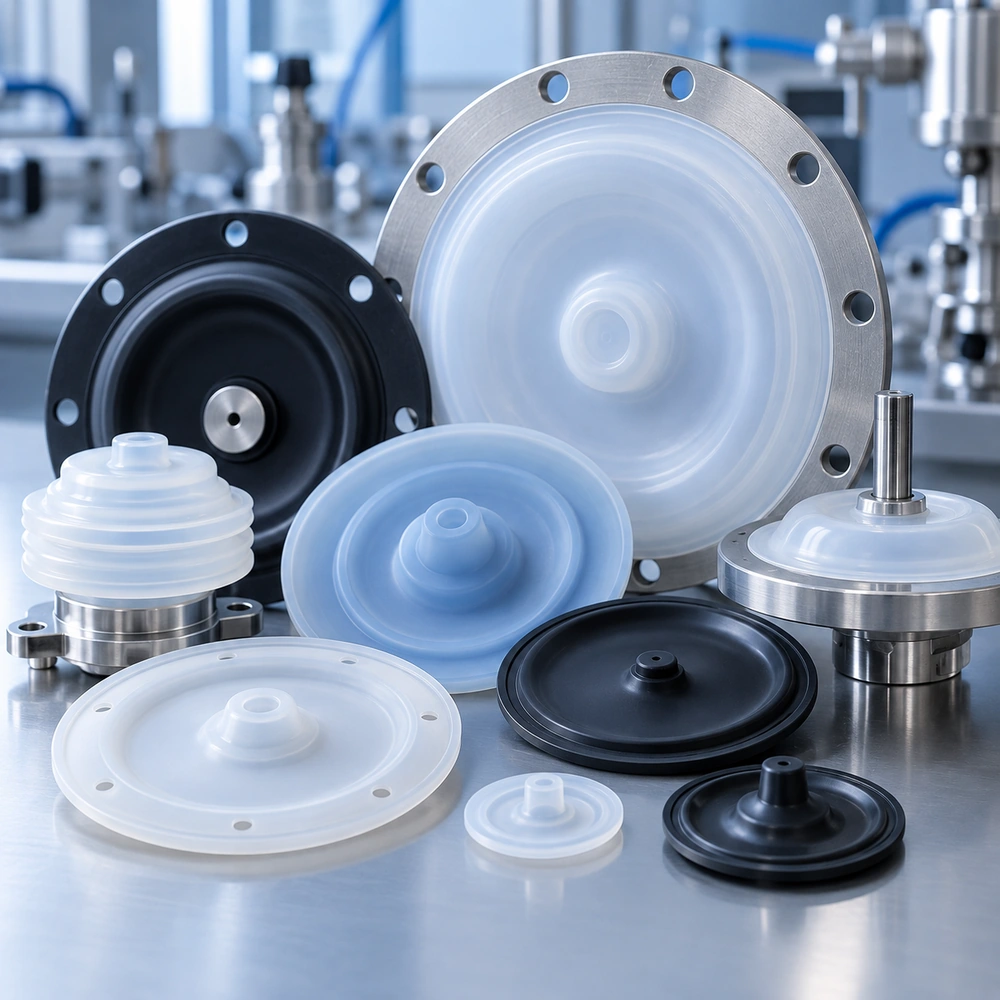 05
Custom Silicone Diaphragms
Molded silicone diaphragms and flexible membranes for pumps, valves, regulators and other OEM applications requiring repeatable movement and sealing.
Explore Silicone Diaphragms →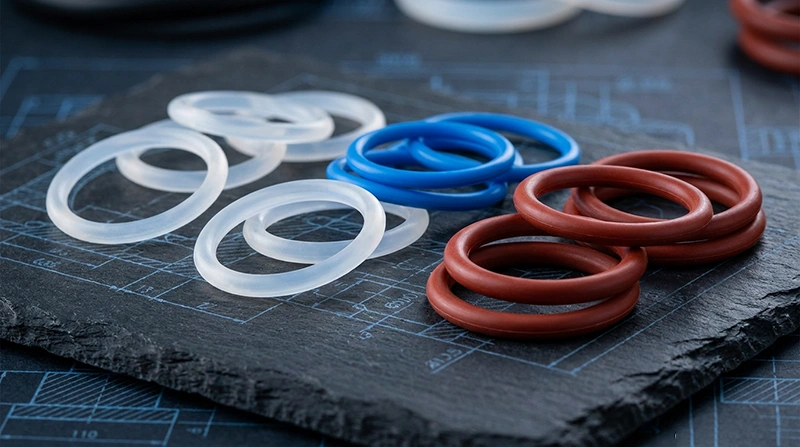 06
Custom Silicone O-Rings
Custom silicone O-rings produced in application-specific diameters, cross-sections, hardness levels and material grades for OEM sealing requirements.
Explore Silicone O-Rings →Silicone Molding Capabilities: HCR & LSR
Temco Rubber supports HCR compression and transfer molding as well as LSR injection molding to match part geometry, material requirements, tooling strategy, and production volume.
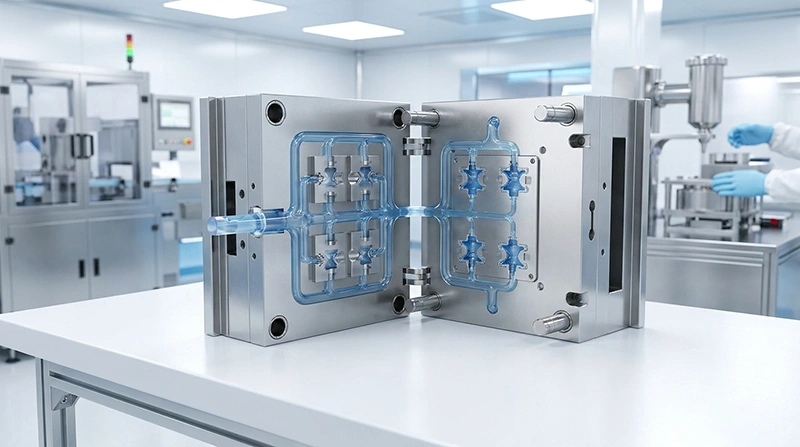
Liquid Silicone Rubber (LSR) Injection Molding
LSR injection molding is well suited for high-volume custom silicone parts that require consistent dimensions, fine details, and repeatable production. A two-component liquid silicone system is metered, mixed, and injected into a heated mold, making the process suitable for complex geometries, thin sections, and automated production. Temco Rubber uses LSR molding for OEM components where production consistency, dimensional control, and scalable output are important.
- Suitable for complex geometries and thin-wall silicone parts
- Consistent molding for medium- to high-volume production
- Supports automated and repeatable production cycles
- Suitable for precision OEM silicone components
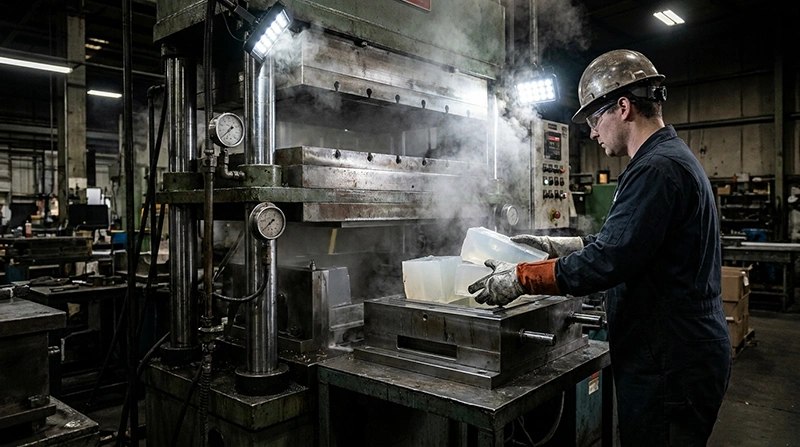
HCR Silicone Compression & Transfer Molding
HCR compression and transfer molding are practical options for custom silicone parts with thicker sections, larger geometries, or low-to-medium production volumes. Pre-formed high-consistency silicone rubber is placed into a heated mold and cured under pressure, allowing flexible material selection, custom colors, and a wide range of part sizes and hardness levels.
- Cost-effective tooling for prototype and production programs
- Suitable for larger and thicker silicone components
- Supports a broad range of Shore A hardness levels
- Well suited for custom colors, keypads, seals, bellows, and industrial parts
Silicone Material Grades & Specifications
We process a range of VMQ silicone materials and select grades according to temperature, hardness, color, environmental exposure, and application requirements.
Medical & Healthcare Applications
Platinum-cured and application-specific silicone compounds can be selected for healthcare and medical-device components based on project requirements. Material selection can consider biocompatibility, sterilization method, temperature exposure, hardness, and mechanical performance where required.
Food & Beverage Applications
Food-contact silicone compounds can be selected for seals, gaskets, tubing, and other components used in food-processing and beverage equipment. Material selection is based on the required temperature range, fluid exposure, cleaning conditions, hardness, and applicable customer specifications.
Industrial VMQ Silicone
Depending on the selected compound, silicone materials can be specified for low- and elevated-temperature applications. Grade selection can also consider ozone, UV, weathering, electrical-insulation, and long-term environmental exposure.
Custom Hardness & Colors
Hardness, color, translucency, bonding behavior, and other material properties are selected according to the part design and application. Custom color matching and application-specific silicone grades can be evaluated during development.
Advanced CAD/CAM Engineering & Tooling
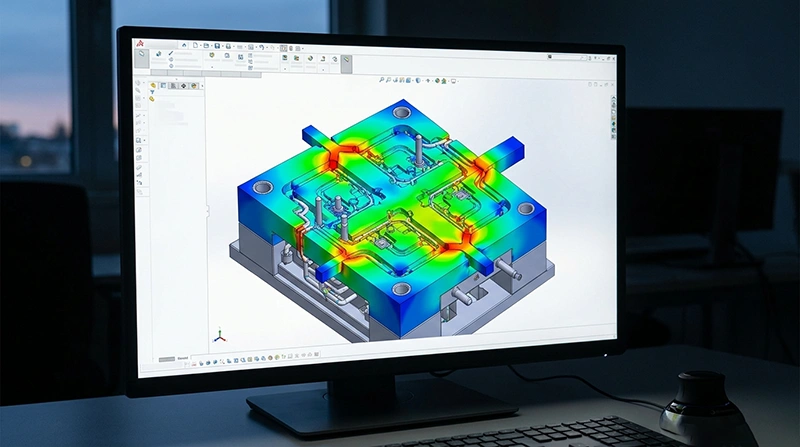
The performance of any custom silicone component begins with the engineering of its mold. At Temco Rubber, we maintain in-house tooling capabilities to help reduce communication delays and support faster prototype development.
Our engineering workflow uses CAD/CAM tools to review part geometry, parting-line strategy, cavity layout, expected material shrinkage, and manufacturability before tool production.
Through this integrated engineering workflow, dimensional targets are defined according to the customer drawing, selected material, and molding process. ISO 3302-1 can be used as a tolerance reference where applicable and agreed for the project, with inspection requirements defined before production approval.
Consult an Engineer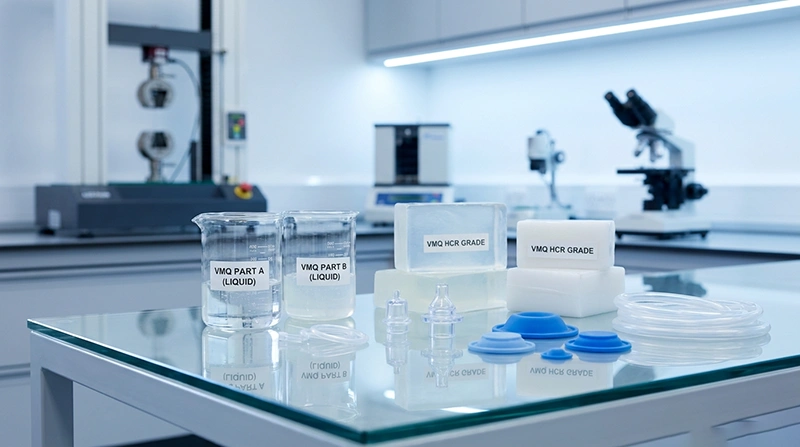
OEM Silicone Molded Parts: From Drawing to Repeat Production
Temco Rubber supports OEM buyers that need custom silicone parts developed around a real product, assembly, sealing interface, or mechanical requirement. We can review 2D/3D drawings, physical samples, target hardness, material requirements, tolerances, expected production volume, and any critical functional dimensions before tooling begins.
For companies comparing a silicone rubber parts manufacturer, the key question is not only whether a part can be molded, but whether the material, mold design, geometry, inspection plan, and repeat-production approach fit the application. Our workflow connects tooling and molding decisions so custom silicone components can move from development into repeat supply with fewer avoidable handoffs.
What to Include in an OEM Silicone Parts RFQ
- 2D drawing and/or 3D CAD model
- Physical sample if available
- Target silicone grade and Shore A hardness
- Critical dimensions and tolerances
- Operating environment and functional requirements
- Expected prototype and production quantities
Selected Silicone Part Examples
Examples from our published portfolio showing different molded silicone part formats and sealing applications.
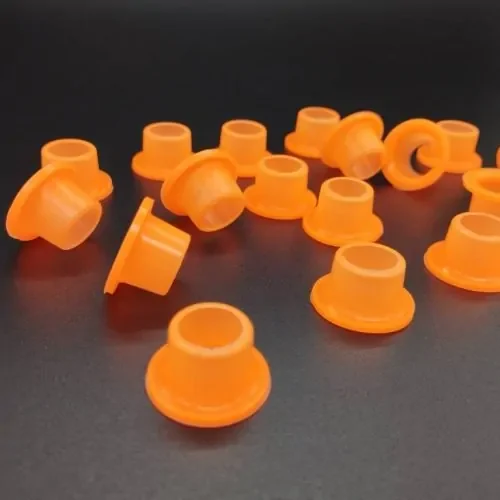
Silicone Washer
A published molded silicone washer example from the Temco Rubber portfolio.
View project →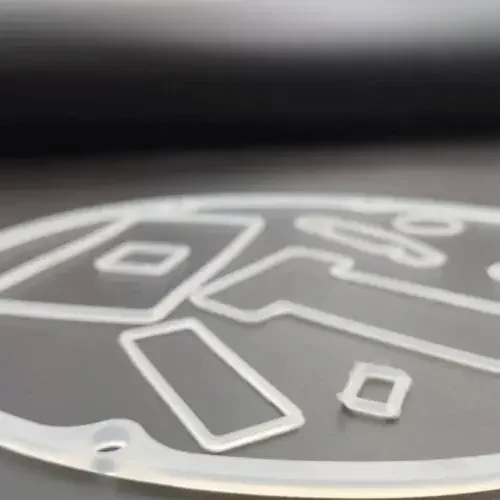
GPS Gasket
A published gasket example illustrating an application-specific silicone sealing component.
View project →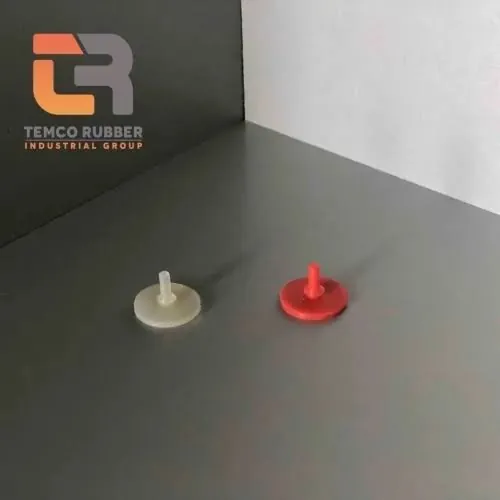
One-Way Silicone Valve
A published flexible silicone valve example from our molded-part portfolio.
View project →Buyer Guide for Selecting a Silicone Manufacturing Partner
Choosing a silicone supplier involves more than comparing unit prices. Engineering support, silicone material knowledge, tooling capability, molding-process selection, first-sample validation, inspection, and repeat-production control can all affect the long-term success of an OEM project.
If you are comparing suppliers before starting tooling, read our guide on how to choose a silicone parts manufacturer before making a sourcing decision.
- DFM and engineering support
- Silicone material capability
- Compression vs. LSR process selection
- Mold design and tooling
- First-sample validation
- Quality and repeatability
Comparing Silicone Suppliers?
Before sending an RFQ, review which technical questions can help distinguish a basic molding source from a long-term engineering and manufacturing partner.
The guide also covers supplier red flags, project-risk considerations, and the questions purchasing and engineering teams should ask before committing to tooling.
View the complete buyer guide →Frequently Asked Questions
Find technical insights regarding custom silicone molding, material characteristics, and tooling setups from our engineering team.