Application-specific elastomer sealing

Custom Rubber Seal Manufacturing

Custom molded rubber seals, O-rings, gaskets and shaped profiles for OEM assemblies. Define the sealing interface, media exposure, motion, material grade and quality requirements before choosing the part and manufacturing method.
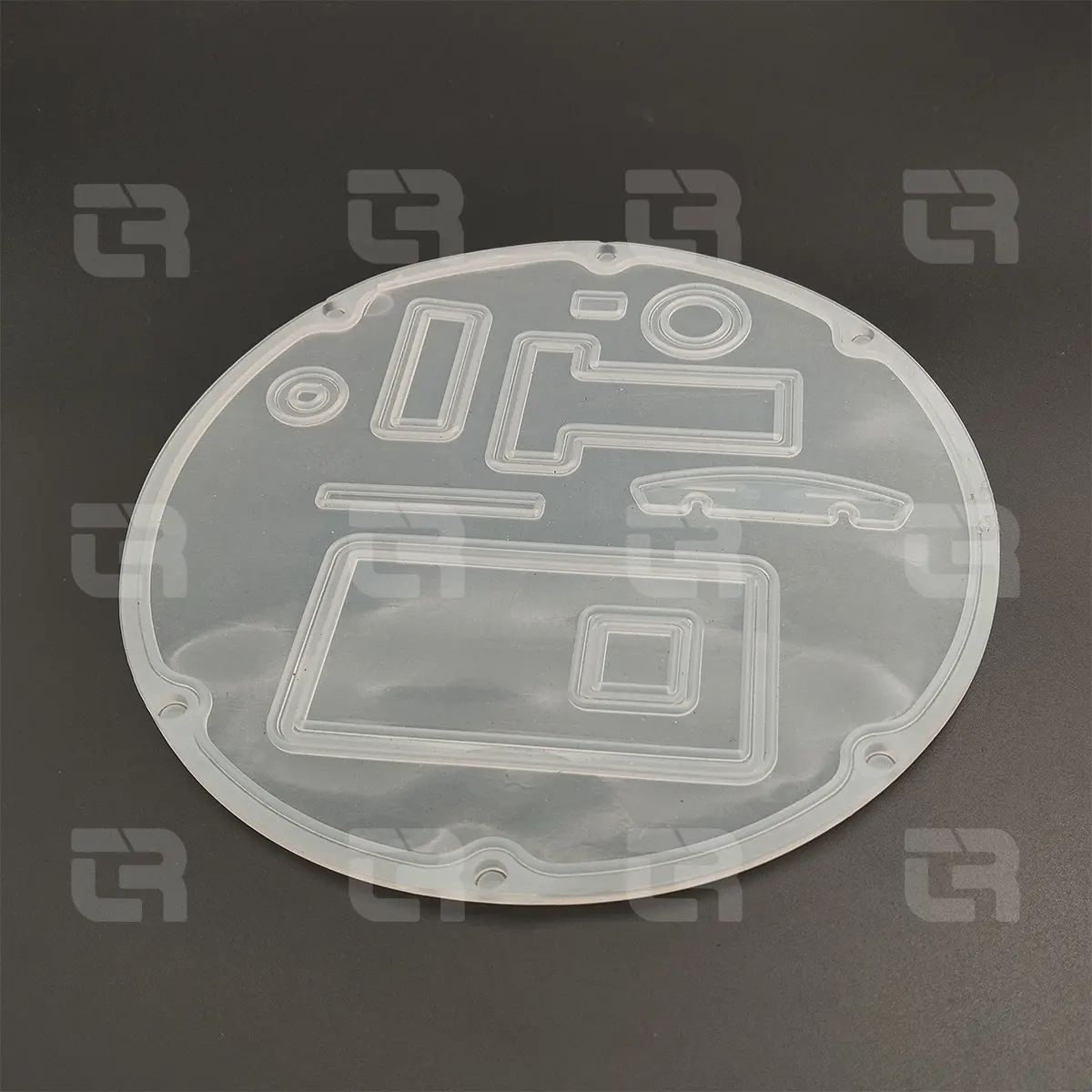
Custom seal geometryNBR / EPDM / FKM / VMQTooling & DFMOEM quotations
Examples of custom molded rubber seals and sealing profiles
Illustrative rubber seals; dimensions, chemistry and performance are specified per project.
Seal engineering inputs

Design around pressure, movement and the mating parts

Material choice and molded geometry must work together. A static flange gasket, reciprocating lip seal and rotary shaft seal encounter different loads and potential failure modes even when all are elastomeric.

Start with the component drawing, installed compression or dynamic movement, pressure differential, target service life and all contact media. This frames a practical design-for-manufacturing and validation discussion.

Explore rubber parts manufacturing ↗

Specification questions to resolve

Seal geometry
Cross-section, installed fit, groove or flange, mating dimensions and drawing revision.
Static or dynamic duty
Movement type, relative speed, lubrication, pressure and expected cycles.
Media and environment
Oil, fuel, water, chemicals, gas, temperature and aging exposure.
Acceptance conditions
Allowed leakage, material evidence, critical dimensions, quantity and test methods.
Part families

Custom rubber seal types and geometries

Choose the component profile for its installed geometry and duty rather than assuming one seal shape works for every application.
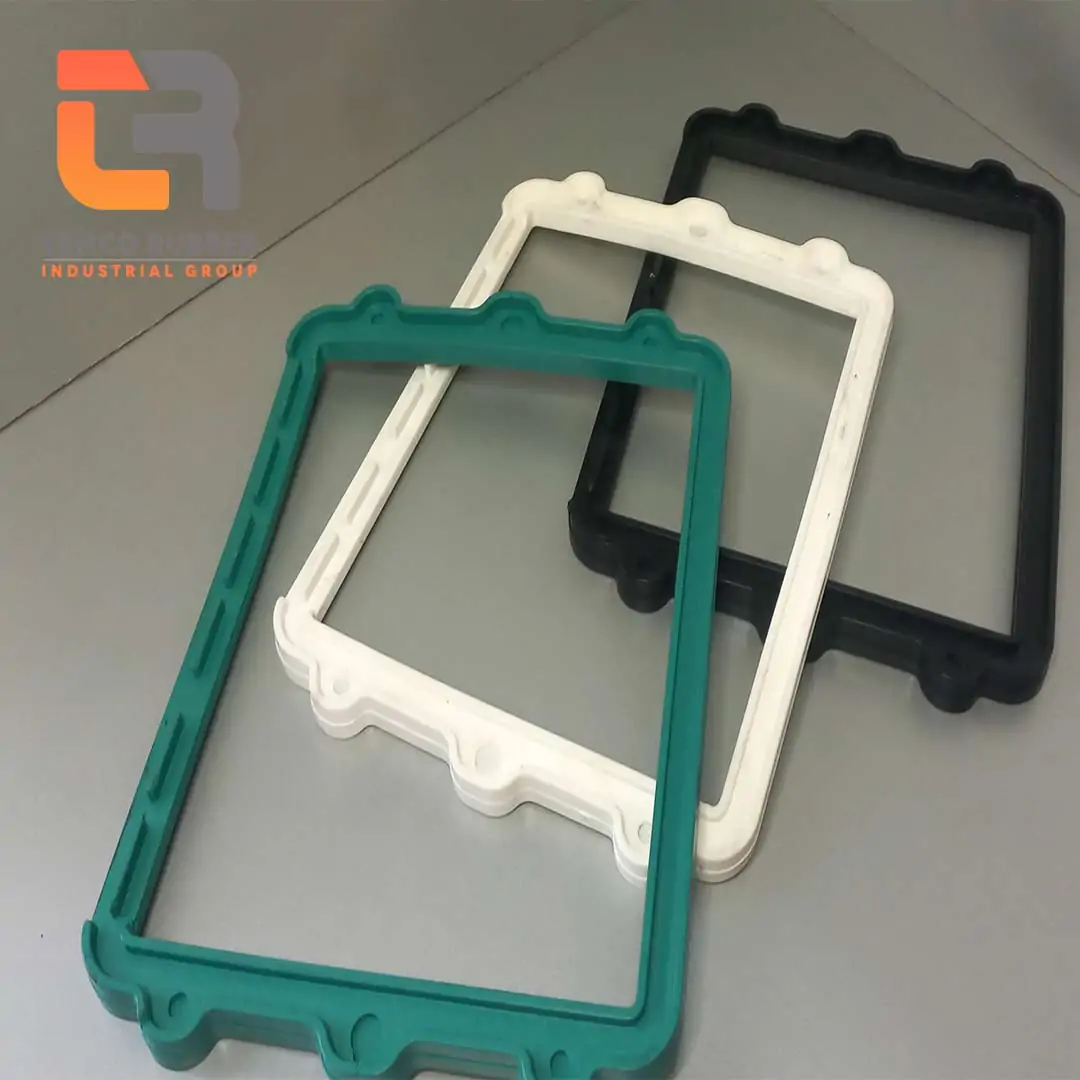
Molded rubber seals reference illustration

Molded rubber seals

Custom shapes for defined interfaces and mating geometry; assess compound, tool and flash-sensitive areas.
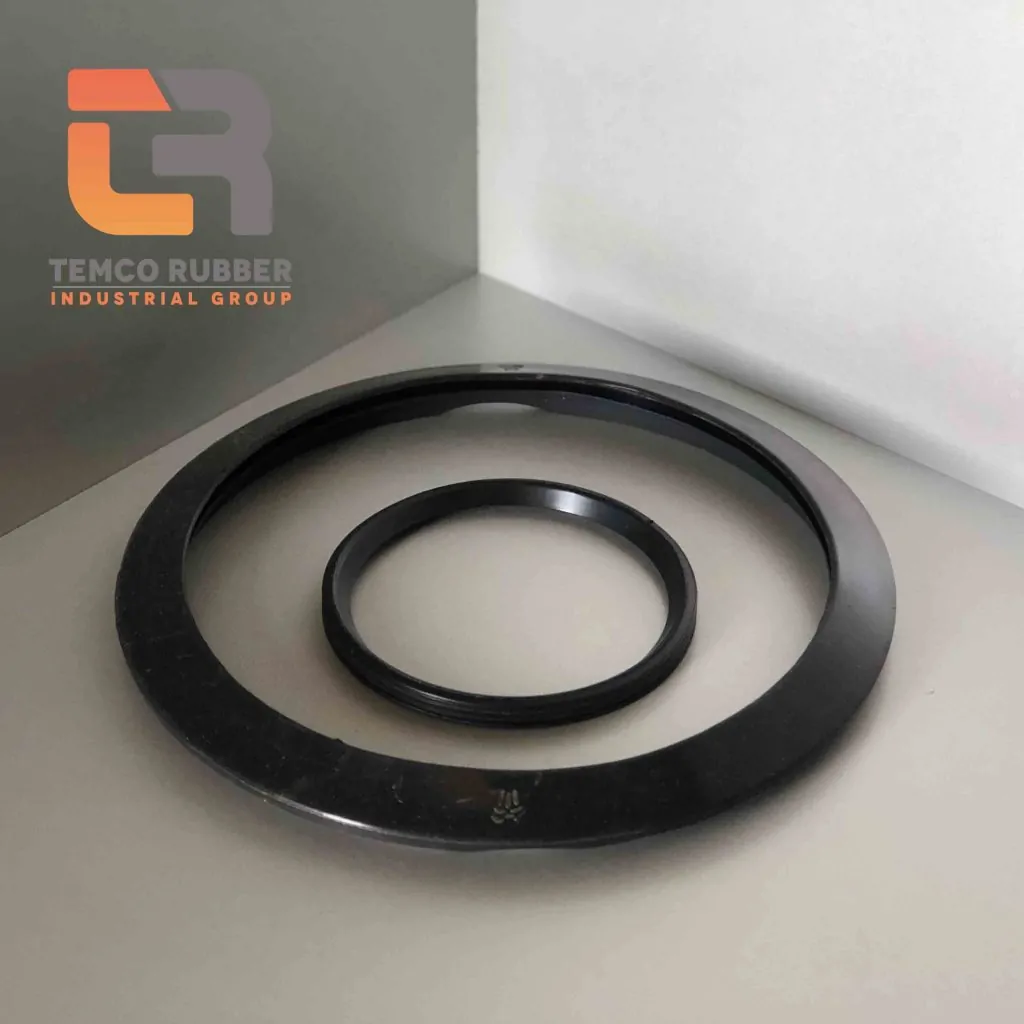
Custom seal profiles reference illustration

Custom seal profiles

Nonstandard cross-sections for a specific gland or housing, subject to molding and release feasibility.
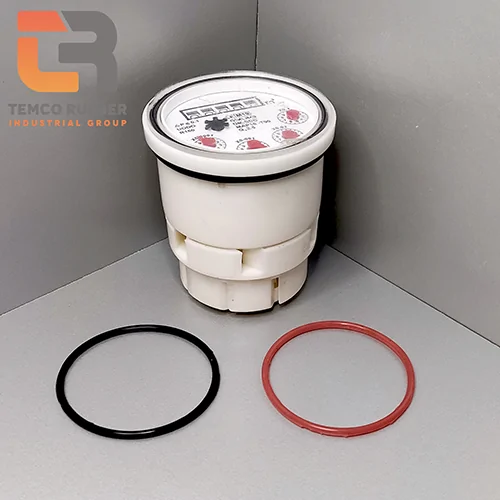
Rubber gaskets reference illustration

Rubber gaskets

Face or perimeter seals for covers and flanges; clamping and media exposure determine suitability.
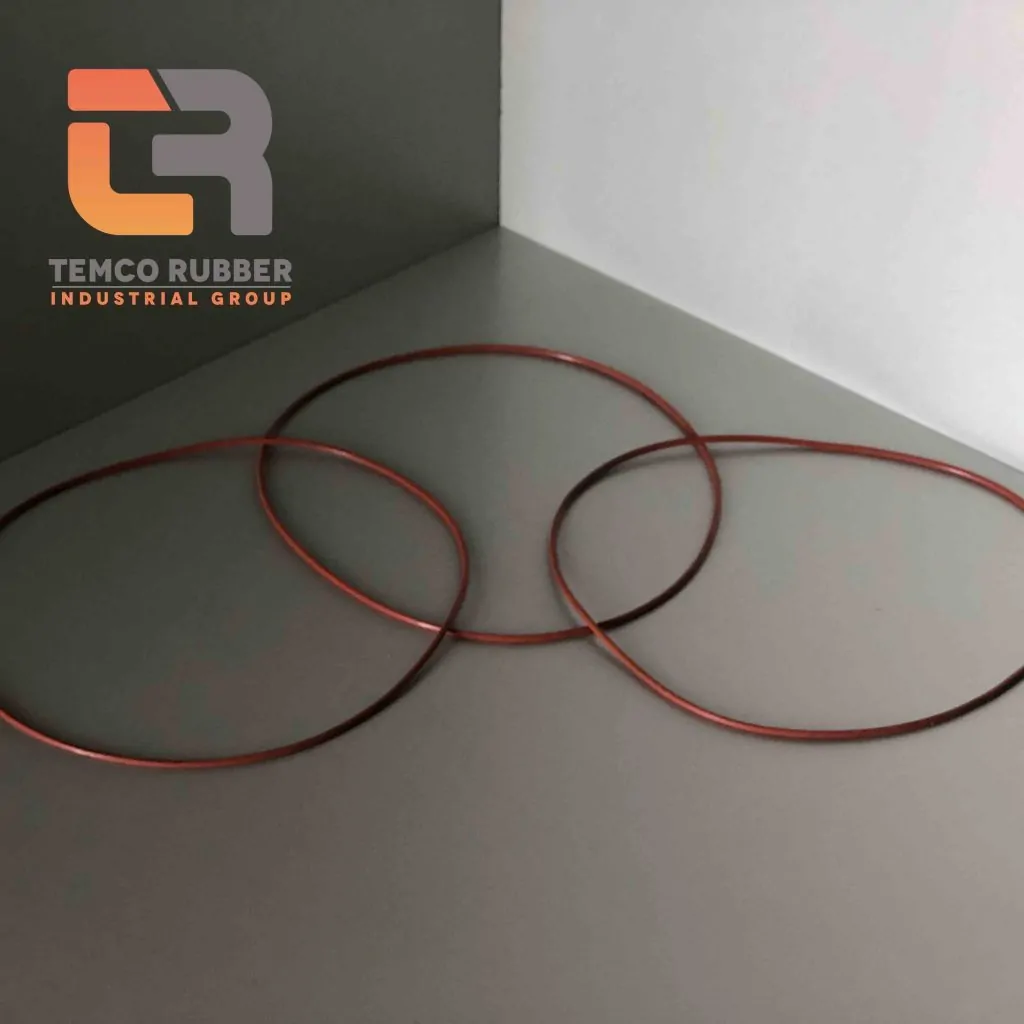
Rubber O-rings reference illustration

Rubber O-rings

Circular-profile seals requiring correct groove design, squeeze and material compatibility.

Elastomer selection

Compare NBR, EPDM, FKM and silicone for the application

Each polymer family contains multiple formulations. A polymer name alone cannot guarantee chemical resistance, pressure performance, hardness or compliance.

01 / MATERIAL FAMILY

NBR / nitrile

Often considered for selected oil and fuel exposures; evaluate formulation-specific media, heat and aging behavior.

02 / MATERIAL FAMILY

EPDM

Commonly evaluated for water, weather and certain process environments; do not assume oil or fuel compatibility.

03 / MATERIAL FAMILY

FKM / fluoroelastomer

A candidate for certain aggressive fluids and elevated temperatures; chemical compatibility varies by specific grade.

04 / MATERIAL FAMILY

VMQ / silicone

A flexible elastomer option for selected environmental and temperature needs; fluid and mechanical suitability must be reviewed.
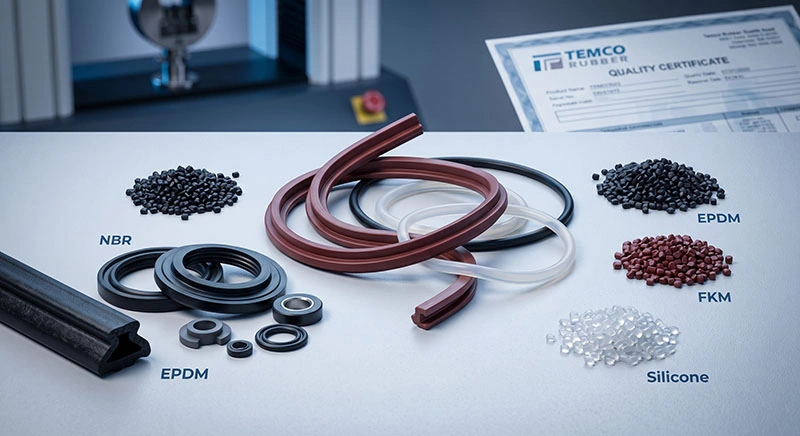
Reference image illustrating elastomer rubber material choices for sealing

Specify the exact exposure, not just the industry

List all fluids, maximum and minimum temperatures, cleaning agents, pressure, duration of contact and any applicable material qualification. Request the actual compound datasheet before design approval.

Material caution: generic claims such as “FDA-approved rubber,” “ASTM-compliant elastomer,” a fixed Shore A range or universal ISO 3302-1 precision are not valid for every custom part. Define the exact formulation, standard, tolerance class and evidence required for your project.
Duty and load

Static and dynamic seals need different validation

Seal performance depends on the actual movement and installation. A geometry optimized for a static face may not suit a moving shaft or reciprocating assembly.

01

Static sealing

Review gasket squeeze, groove geometry, bolt load, contact surfaces and long-term compression set.

02

Reciprocating sealing

Discuss stroke, friction, lubrication, seal lip geometry and wear requirements.

03

Rotary sealing

Consider shaft speed, eccentricity, lip contact, temperature and lubrication where appropriate.

From enquiry to approved part

Rubber seal manufacturing workflow

A clear DFM and sample-validation process helps identify risks before volume production and tool revisions.

01

Drawing & sample review

Define mating geometry, critical dimensions, compound and seal duty.

02

Material and DFM

Review compound data, profile geometry, parting lines and manufacturability.

03

Tooling development

Plan mold cavities, vents, demolding and sampling for the production route.

04

Molding and finishing

Assess compression, transfer or injection molding and related finishing needs.

05

Sample & acceptance

Check the agreed geometry, fit, material and functional performance.

Learn more about rubber mold design and tooling and rubber mold manufacturing.

Manufacturing route

Choose a molding process to fit the seal

The preferred route depends on part geometry, elastomer chemistry, tooling costs and the expected manufacturing volume.

Compression and transfer molding

Review the compound, tool configuration, part section and expected batch or volume needs.

Injection molding

Evaluate equipment fit, part detail, runner design, compound form and required repeatability.

Finishing and assembly

Consider trimming, inspection, bonded parts or additional assembly operations only where specified.

Quality and qualification

Agree seal acceptance around its possible failure modes

Dimensional checks matter, but the assembled seal's ability to work with the expected fluid, loading and movement is essential.

Part and material checks

  • Critical profile, wall, groove and drawing dimensions
  • Parting lines, flash, surface and visible features
  • Appropriate material hardness and other physical properties
  • Drawing revision, sampling and traceability if specified

Function and durability

  • Leakage and pressure conditions in the actual assembly
  • Dynamic friction or wear where movement applies
  • Temperature, chemical and environmental exposure
  • Buyer-required material conformity or test documentation

Tests, tolerance class, inspection equipment, frequency and pass/fail limits must be agreed for the relevant product; no universal result is implied.

Supplier quotation

What to include in a custom rubber seal RFQ

Share a drawing, sample or existing seal with its mating components and service conditions. If the material is undecided, describe the duty so alternatives can be compared.

  • 2D / 3D drawing or sample
  • Profile and mating-groove dimensions
  • Static / rotary / reciprocating duty
  • Pressure, lubrication and permitted leakage
  • Fluid, fuel, chemical and heat exposure
  • Compound, hardness or regulatory needs
  • Inspection and qualification criteria
  • Prototype and annual order volume
Buyer FAQ

Custom rubber seal manufacturing questions

Practical answers for material selection, sealing geometry, molding and project quotation.

Can you make rubber seals from our drawings?

A 2D/3D drawing or sample plus mating geometry and service conditions provides the basis for reviewing compound and tooling feasibility.

Which material is best for oil, fuel or water?

The answer depends on the exact fluid, temperature, concentration and contact duration. NBR, EPDM, FKM and silicone families have different strengths and limitations, and grades must be individually reviewed.

Can one seal design be used for static and dynamic applications?

Not always. Static and moving interfaces require different considerations for groove, friction, wear, compression and leakage.

What hardness range is available?

Hardness is a material-grade and design decision. Share your load and groove geometry; no universal Shore A range is guaranteed for every rubber polymer or part.

Can you mold custom O-rings, profiles and gaskets?

Custom seals, O-ring geometries, gaskets and other molded profiles can be assessed through a drawing-driven DFM and tooling review.

Are all rubber compounds FDA or ISO certified?

No. Certifications, material standards and tolerance classes apply only when supported by the specific grade, intended use, agreed requirements and documentary evidence.

How do you test a new seal design?

An acceptance plan may cover critical dimensions, compound properties, fit, leakage, pressure and environmental or cycle requirements, depending on the application.

What information will speed up quotation?

Send a drawing or sample, material environment, movement, sealing pressure, quantity, key tolerances and any required standards or documentation.

Discuss your next rubber sealing part

Send your drawing and operating environment or explore custom silicone seals and rubber parts manufacturing.

Request a Technical Review ↗