
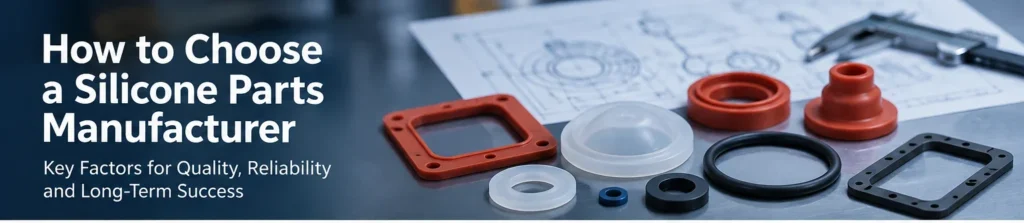
Choosing a silicone parts manufacturer is not simply a matter of comparing unit prices.
For OEM and industrial projects, the manufacturer you select can directly affect tooling cost, dimensional consistency, material performance, production repeatability, lead time, and the amount of engineering rework required later.
A reliable supplier should support more than molding alone. The strongest manufacturing partners usually combine material knowledge, design-for-manufacturing review, tooling capability, process selection, first-sample validation, quality control, and repeat production support.
This guide explains the main factors engineers, purchasing teams, and product developers should evaluate before selecting a custom silicone parts manufacturer.
Why Choosing the Right Silicone Manufacturer Matters
Custom silicone components are often part of a larger assembly, sealing system, valve, housing, medical or industrial mechanism. A small issue in material selection, tooling, or dimensional control can create problems far beyond the silicone part itself.
The right manufacturer should help reduce technical and production risk before tooling starts.
When comparing suppliers, consider:
- Engineering support
- Material knowledge
- Tooling capability
- Manufacturing process options
- First-sample validation
- Inspection methods
- Repeatability
- Communication
- Production scalability
The goal is not simply to find a company that can mold silicone. The goal is to find a manufacturing partner capable of supporting the complete project.
Evaluate Engineering Support Before Tooling
One of the first questions to ask is whether the manufacturer reviews your part design before making the mold.
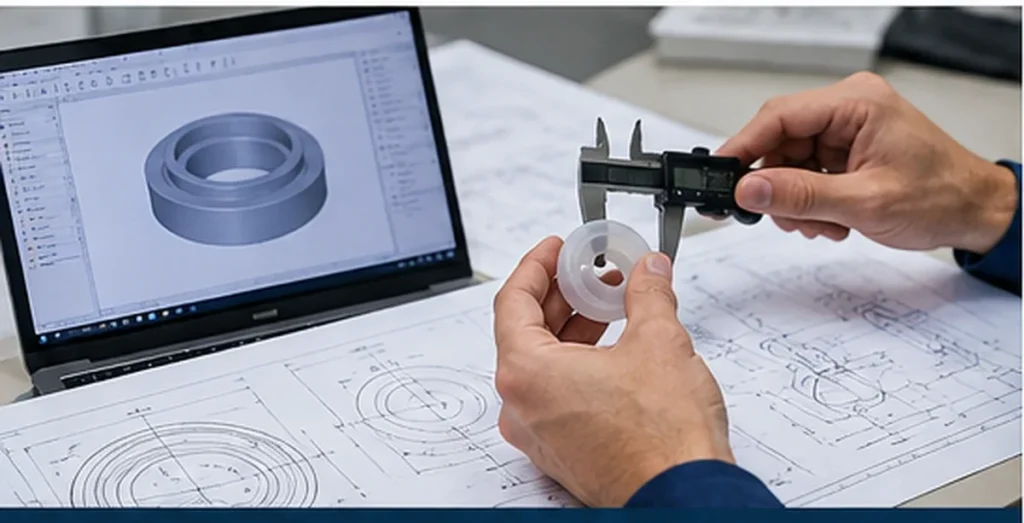
Silicone components can appear simple while still being sensitive to:
Wall thickness
- Draft
- Undercuts
- Parting-line position
- Flash-sensitive areas
- Gate location
- Venting
- Shrinkage
- Demolding
- Critical dimensions
A supplier with strong DFM capability can identify potential issues before tooling begins.
This matters because changing a drawing before mold production is usually easier than modifying a completed tool.
At Temco Rubber, this engineering-first approach is part of TEMCO DFM™, where drawings, CAD files, geometry, and critical requirements are reviewed before tooling.
If your project is already at the tooling stage, you can also review our broader custom silicone parts manufacturing capabilities.
Check Material and Compound Capability
The manufacturer should understand how silicone material selection affects the finished part.
Important factors may include:
- Shore A hardness
- Flexibility
- Compression behavior
- Operating temperature
- Environmental exposure
- Fluid or media contact
- Color
- Transparency
- Electrical properties
- Cure system
- Customer documentation requirements
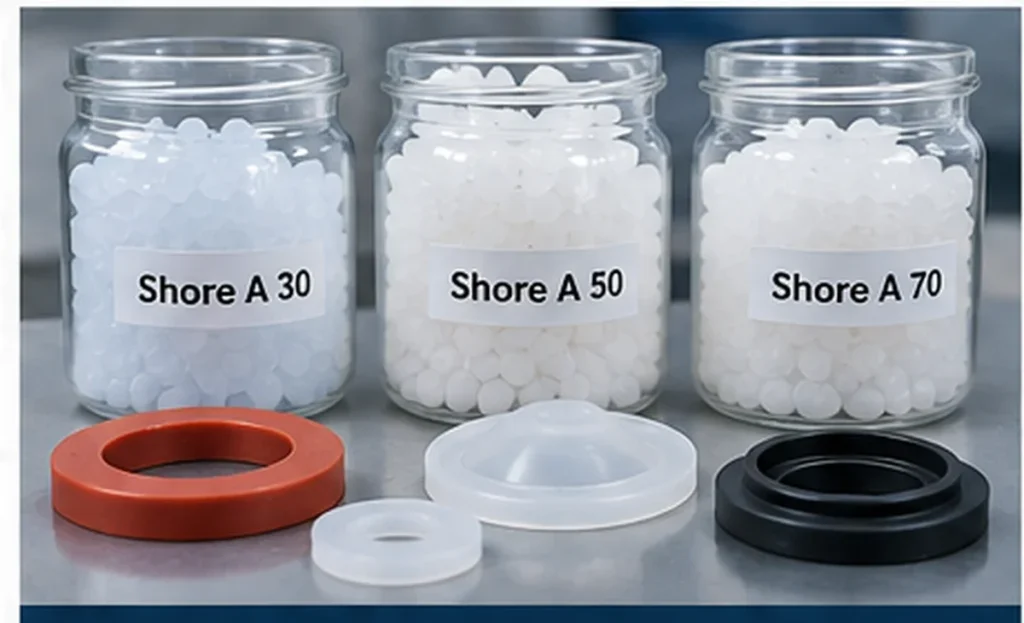
Different projects may require different silicone grades.
A manufacturer should be able to explain why a specific material is recommended instead of using the same compound for every application.
For example, some projects may require platinum-cured silicone, while others may use peroxide-cured silicone or another application-specific grade.
Material selection should always be connected to the real function of the part.
Review the Manufacturer’s Molding Processes
Not every silicone component should be manufactured using the same process.
A strong supplier should be able to recommend the appropriate manufacturing method based on part geometry, material, volume, and tooling strategy.
Two common processes are compression molding and LSR injection molding.
Compression Molding
Compression molding is widely used for high-consistency silicone rubber.
It can be suitable for:
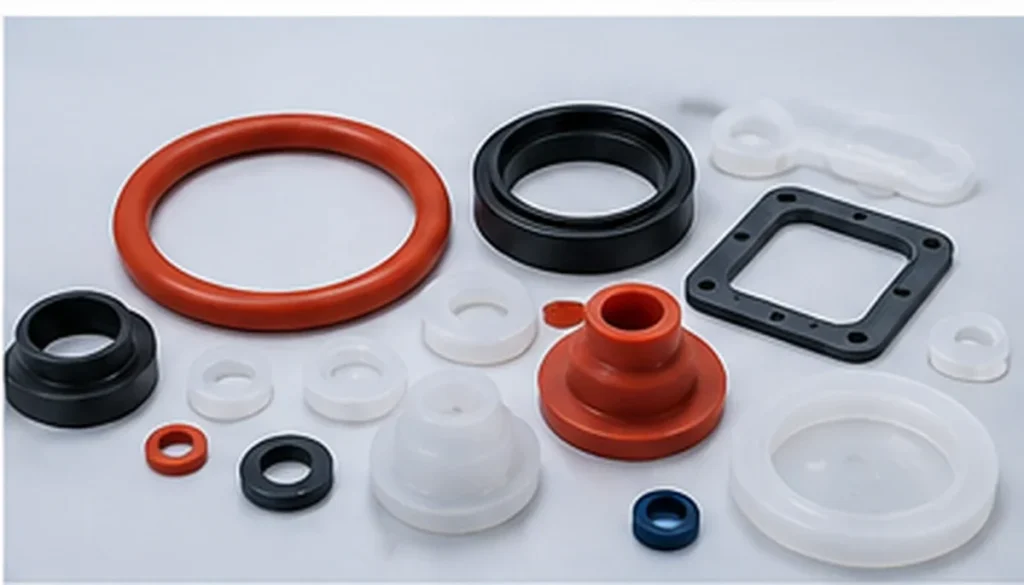
- Custom seals
- O-rings
- Washers
- Gaskets
- Larger silicone parts
- Industrial molded components
- Prototype or lower-volume production
Compression molding can also be commercially practical for projects where simpler tooling is appropriate.
LSR Injection Molding
Liquid Silicone Rubber injection molding uses a two-component liquid silicone system that is metered, mixed, and injected into a heated mold.
LSR can be suitable for:
- Small precision components
- Complex geometries
- Detailed mold features
- Automated production
- Repeat OEM production
- Higher-volume programs
For projects where liquid silicone molding may be appropriate, see our LSR injection molding capability.
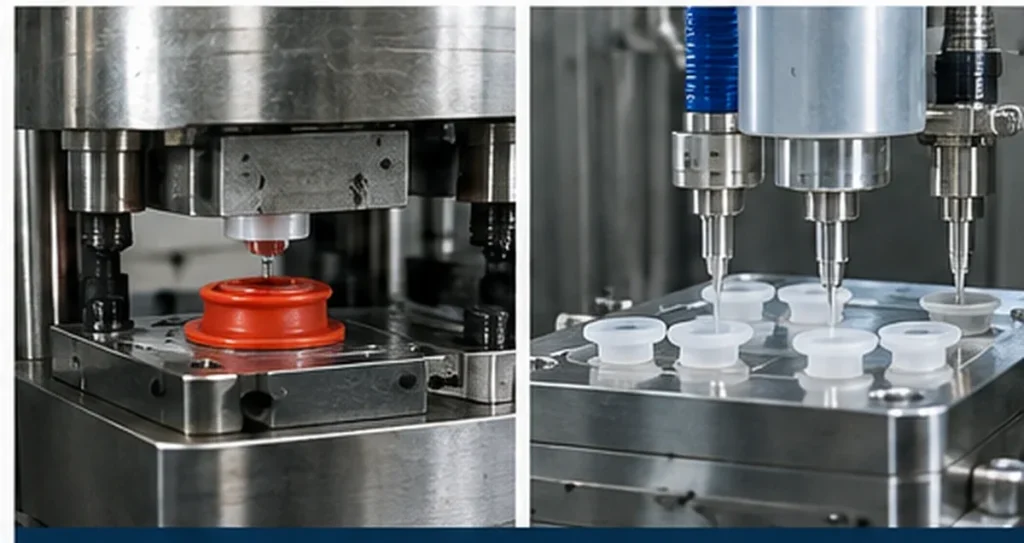
A good manufacturer should be able to explain why one process is more suitable than another rather than simply recommending the process they already prefer.
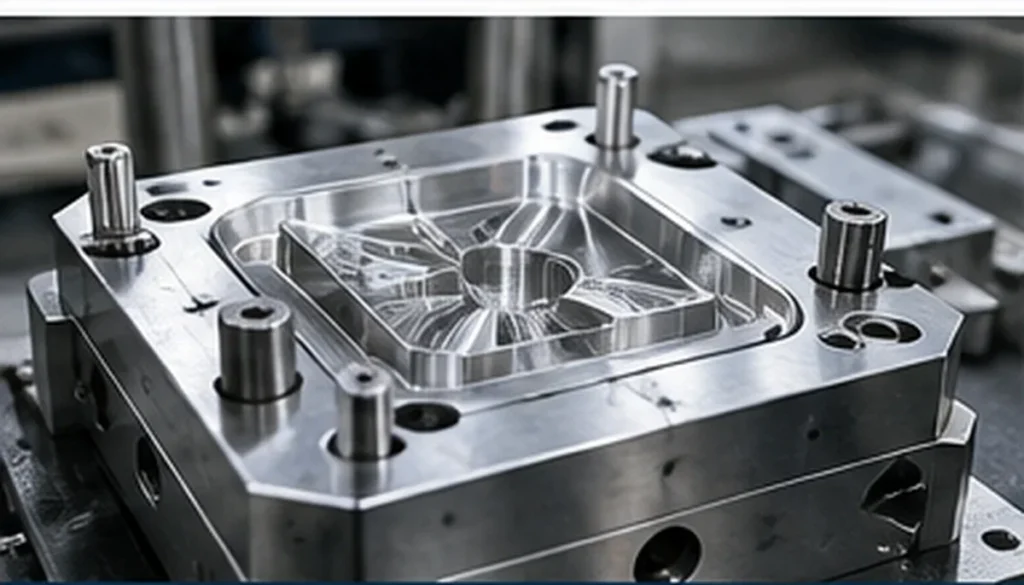
Assess Mold Design and Tooling Capability
Tooling is one of the most important parts of a custom silicone project.
The mold should be developed around:
- Part geometry
- Material behavior
- Production quantity
- Cavity count
- Venting
- Gate design
- Parting line
- Demolding
- Flash control
- Critical dimensions
A weak mold can cause recurring problems even when the material is correct.
Ask whether the supplier handles mold design internally, coordinates directly with the toolmaker, or outsources tooling without technical control.
A capable manufacturer should understand how mold design affects production performance.
If mold design is a major concern in your project, review our silicone mold design and tooling capability.
Ask How First Samples Are Validated
A custom silicone project should not move directly from tooling to full-volume production without first-sample validation.
After the mold is completed, first samples should be reviewed against agreed requirements.

Depending on the part, the review may include:
- Critical dimensions
- Visual quality
- Fit
- Function
- Hardness
- Flash
- Parting lines
- Assembly compatibility
- Customer-approved samples
This step gives both the manufacturer and the customer a chance to identify issues before repeat production begins.
At Temco Rubber, this approach is part of TEMCO Production Assurance™, where first samples are reviewed before recurring production.
Review Quality Control and Inspection Methods
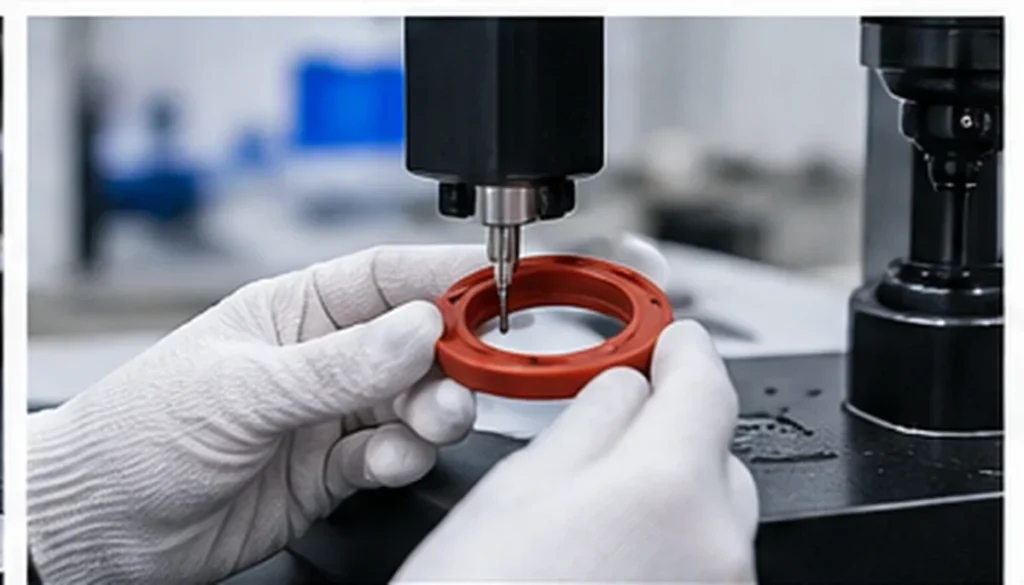
A silicone parts manufacturer should have a defined approach to inspection.
The level of inspection depends on the project, but buyers should understand what is actually controlled.
Useful questions include:
- Which dimensions are critical?
- How are first pieces inspected?
- Are parts checked during production?
- How is hardness verified?
- How are visual defects evaluated?
- How are rejected parts controlled?
- Can inspection requirements be defined before production?
For custom parts, inspection requirements should ideally be discussed during quotation and tooling rather than after a problem appears.
Evaluate Repeatability, Not Just the First Batch
A manufacturer may be able to produce acceptable samples but still struggle to maintain consistency across multiple production runs.
For long-term OEM projects, repeatability is often more important than a successful first batch.
Important factors include:
- Stable material sourcing
- Controlled process parameters
- Tool maintenance
- Repeatable molding conditions
Production records - Inspection procedures
- Revision control
The objective is to ensure that a part supplied months later still matches the approved production standard.
Check Whether the Manufacturer Understands Your Application
A capable manufacturer should ask how the part will actually be used.
For example:
- Is the part sealing?
- Is it flexing repeatedly?
- Is it exposed to heat?
- Does it contact fluids?
- Is it assembled into a groove?
- Does it need electrical insulation?
- Is appearance important?
- Does the part need to maintain compression?
These questions help connect the drawing to the function of the part.
Manufacturing only to dimensions without understanding the application can lead to incorrect material or process choices.
For sealing projects, related capabilities may include custom silicone O-rings, custom silicone gaskets, and custom silicone seals.
Evaluate Communication and Technical Responsiveness
Communication is a major part of custom manufacturing.
Before placing an order, pay attention to how the supplier respods to technical questions.
A useful manufacturing partner should communicate clearly about:
- Drawings
- Material options
- Tooling decisions
- Production concerns
- Sample feedback
- Design changes
- Quotation assumptions
If engineering questions are difficult to resolve before the order, communication problems may become more serious during tooling or production.
Compare Total Project Risk, Not Only Unit Price
The lowest quotation is not always the lowest-cost option.
A lower unit price can be offset by:
- Tool modification
- Scrap
- Assembly problems
- Inconsistent dimensions
- Material mismatch
- Repeated sampling
- Production delays
- Supplier replacement
- Field failures
For custom silicone parts, procurement teams should compare total project risk in addition to unit price.
A supplier that identifies a design issue before tooling may save more money than a supplier offering the lowest initial quotation.
Questions to Ask a Silicone Parts Manufacturer
Before sending an RFQ or placing an order, ask questions such as:
- Do you review drawings before tooling?
- Which silicone molding processes do you offer?
- How do you select silicone material?
- Can you manufacture from 2D drawings, CAD files, or physical samples?
- How are molds designed and manufactured?
- How are first samples approved?
- Which quality checks are performed during production?
- Can you support repeat OEM orders?
- How are engineering changes handled?
- What information do you need for an accurate quotation?
The answers can help reveal whether the company is simply a molding shop or a true engineering and manufacturing partner.
Red Flags When Selecting a Silicone Supplier
Some warning signs should be taken seriously.
Be cautious if a supplier:
- Quotes a complex part without reviewing the drawing
- Cannot explain why a manufacturing process was selected
- Recommends the same silicone compound for every application
- Avoids discussing tooling details
- Has no clear first-sample approval process
- Cannot explain how critical dimensions are controlled
- Changes technical answers frequently
- Offers unusually low pricing without explaining assumptions
None of these automatically proves that a supplier is unsuitable, but they are good reasons to investigate further before committing to tooling.
Why Engineering Support Matters
Custom silicone manufacturing is the result of several connected decisions:
Part Design → Material → Mold Design → Molding Process → Validation → Repeat Production
A weakness in any one of these stages can affect the finished part.
That is why strong manufacturers do more than operate molding equipment.
They help align the design, material, mold, process, and production requirements before manufacturing begins.
To review Temco Rubber’s broader capabilities, visit our custom silicone parts manufacturing hub.
Need a Silicone Manufacturing Partner?
If you are comparing manufacturers for a custom silicone component, send us your drawing, CAD model, physical sample, or technical requirements.
Our team can review:
- Part geometry
- Material requirements
- Mold design
- Molding process
- Expected production quantity
- Critical dimensions
- First-sample requirements
Request a Custom Silicone Parts Review